
Leadership IQ · Work with Leadership IQ
Keynote Speaker Mark Murphy
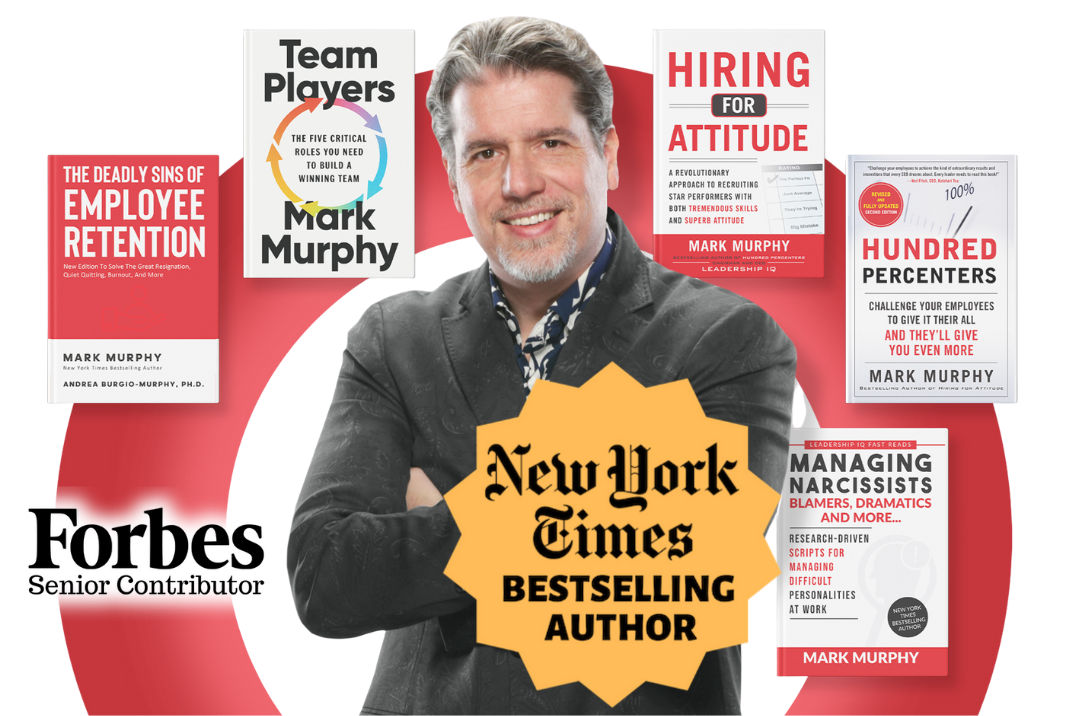
New York Times Bestselling Author | Forbes Senior Contributor | Founder of Leadership IQ








A Keynote Speaker Organizations Hire When They Want Real Impact — Not Just Applause
If you're looking for a keynote speaker who delivers polished stories, motivational clichés, and a few laughs before everyone goes back to work unchanged, there are plenty of options.
If you're looking for a keynote speaker who fundamentally changes how leaders think, speak, and act once they leave the room, that's where Mark Murphy is different.
Mark Murphy is a New York Times bestselling author, a Forbes Senior Contributor, and the founder of Leadership IQ, one of the world's leading leadership research and training firms. He has delivered keynote speeches for global conferences, corporate events, executive teams, and leadership summits across industries — from healthcare and financial services to technology, manufacturing, and government. He has spoken at the United Nations, Harvard Business School, the Clinton Foundation, Microsoft, IBM, MasterCard, Merck, Charles Schwab, Aflac, and hundreds more.
But credentials alone don't explain why organizations keep bringing him back.
They hire Mark Murphy as their keynote speaker because his work is grounded in original research, delivered with intellectual authority, and relentlessly focused on practical impact. Attendees don't just enjoy his keynote speeches. They use them.
Why Organizations Hire Mark Murphy as Their Keynote Speaker
Most keynote speakers sell optimism. Mark Murphy sells insight.
His keynote speeches are built on a simple premise: leadership doesn't break down because leaders don't care or don't understand theory. Leadership breaks down in moments of pressure — when emotions are high, stakes are real, and leaders don't know exactly what to say, how to say it, or what not to say.
That insight shapes everything about how Mark approaches a keynote speech.
He brings original data, not recycled ideas. Mark leads one of the world's largest ongoing leadership studies, and his research regularly challenges conventional wisdom. His studies — including "Are SMART Goals Dumb?," "Why CEO's Get Fired," "Why New Hires Fail," "High Performers Can Be Less Engaged," and "Don't Expect Layoff Survivors to Be Grateful" — have been cited by The Wall Street Journal, Harvard Business Review, Forbes, Fortune, Fast Company, Bloomberg BusinessWeek, CNBC, The New York Times, U.S. News & World Report, The Washington Post, and the Los Angeles Times. He has appeared on CNN, NPR, CBS News Sunday Morning, ABC's 20/20, and Fox Business News.
When Mark steps onto the stage, the audience isn't hearing someone else's ideas repackaged. They're hearing original research from the person who conducted it. That's the difference between a professional keynote speaker who curates other people's work and an industry expert who creates his own.
He challenges comfortable assumptions. Mark's research surfaces patterns leaders don't see on their own. He shows how small, repeated behaviors — often well-intentioned — compound over time into real organizational damage. Instead of vague claims, he reveals what actually predicts performance, engagement, trust, and failure, often exposing uncomfortable gaps between what leaders believe they're doing and what employees actually experience.
That tension is intentional. And it's why his keynote speeches resonate long after the applause fades.
He gives attendees tools, not just concepts. The single most common piece of feedback Mark receives after a keynote speech is some version of "I used this immediately." That's by design. Every talk includes specific language, scripts, and decision frameworks that attendees can deploy in real conversations with real people. He shows you the exact phrases that trigger defensiveness — and the alternatives that keep people open. He doesn't tell you to "be more empathetic" and leave you to figure out the rest. He shows you what to say, what not to say, how to structure a difficult conversation, and how to recover when one starts going sideways.
Instead of abstract advice, Mark breaks leadership down into observable behaviors, specific language choices, and practical frameworks. Attendees leave with clear mental models for diagnosing problems, specific phrases to use and avoid in difficult conversations, a sharper understanding of how their leadership style lands on others, and practical ways to turn insight into action. In an industry where too many keynote speakers deal in inspiration alone, Mark's focus on tangible takeaways is what sets him apart.
He speaks with credibility to any audience. Whether the audience is 2,000 people in a ballroom or 30 executives around a conference table, Mark adjusts seamlessly. Senior leaders trust him because he respects their intelligence, understands organizational politics and constraints, and doesn't pretend leadership is easy or reducible to slogans. At the same time, his presentations are highly engaging — filled with sharp examples, memorable frameworks, and moments of insight that make people stop, rethink, and recalibrate.
This balance — serious but accessible, challenging but practical — is one of the reasons Mark is consistently ranked as a Top 30 Leadership Guru and one of the most in-demand leadership keynote speakers working today.
"Attendees don't just enjoy his keynote speeches. They use them."
What Organizations Say About Mark Murphy
Gravitas Without Arrogance: The Tone That Makes Leaders Listen
Audiences don't respond to bravado. They respond to credibility.
Mark Murphy's speaking style is confident, direct, and intellectually serious — without being academic or condescending. He speaks like someone who has spent decades inside real organizations, watching what works and what quietly fails. He doesn't oversimplify complex issues. And he doesn't hide behind jargon. His expertise comes through in every presentation, not because he announces it, but because the depth of his knowledge is evident in how he handles questions, adapts to the room, and connects research to the real challenges his audience faces.
That combination gives him unusual gravitas as a keynote speaker, particularly with senior leaders who are skeptical of surface-level motivation and hungry for substance.
At the same time, Mark has a natural ability to make complex behavioral science feel accessible and even entertaining — without ever dumbing it down. He treats his audiences like smart adults who deserve real answers, not motivational slogans. He's willing to challenge the room. He'll tell you that some of your most beloved management practices might be doing more harm than good — and then he'll show you the data to prove it, along with a better alternative you can try tomorrow.
Attendees consistently describe his style as direct, funny, surprisingly candid, and refreshingly free of the kind of generic advice that fills most leadership talks. That's the difference between a great keynote speaker and a merely competent one — the ability to deliver valuable insights that change behavior, not just fill time.
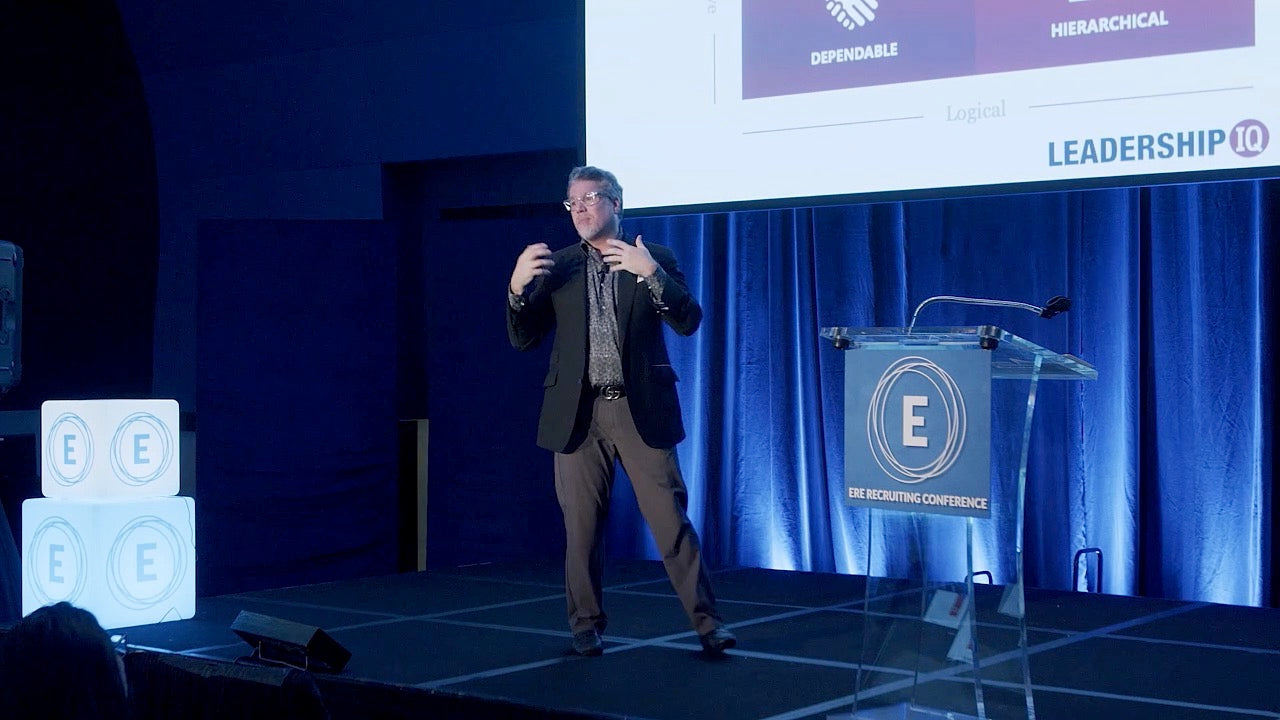
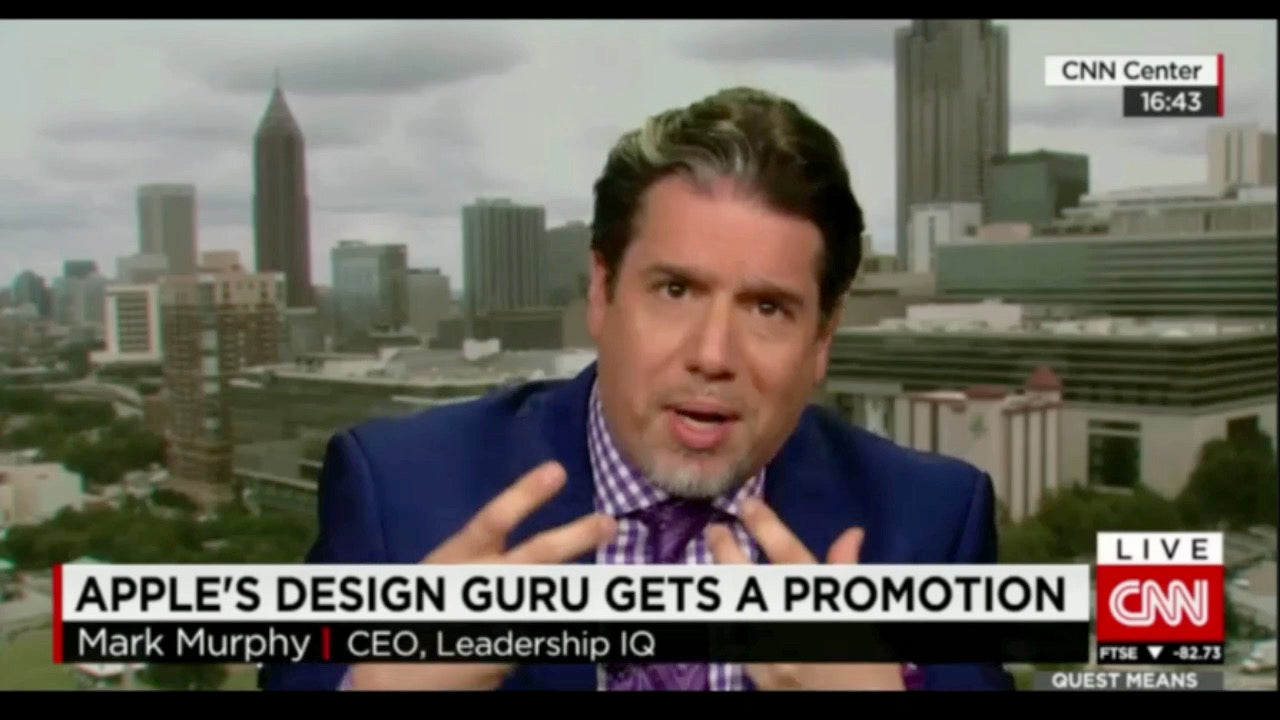
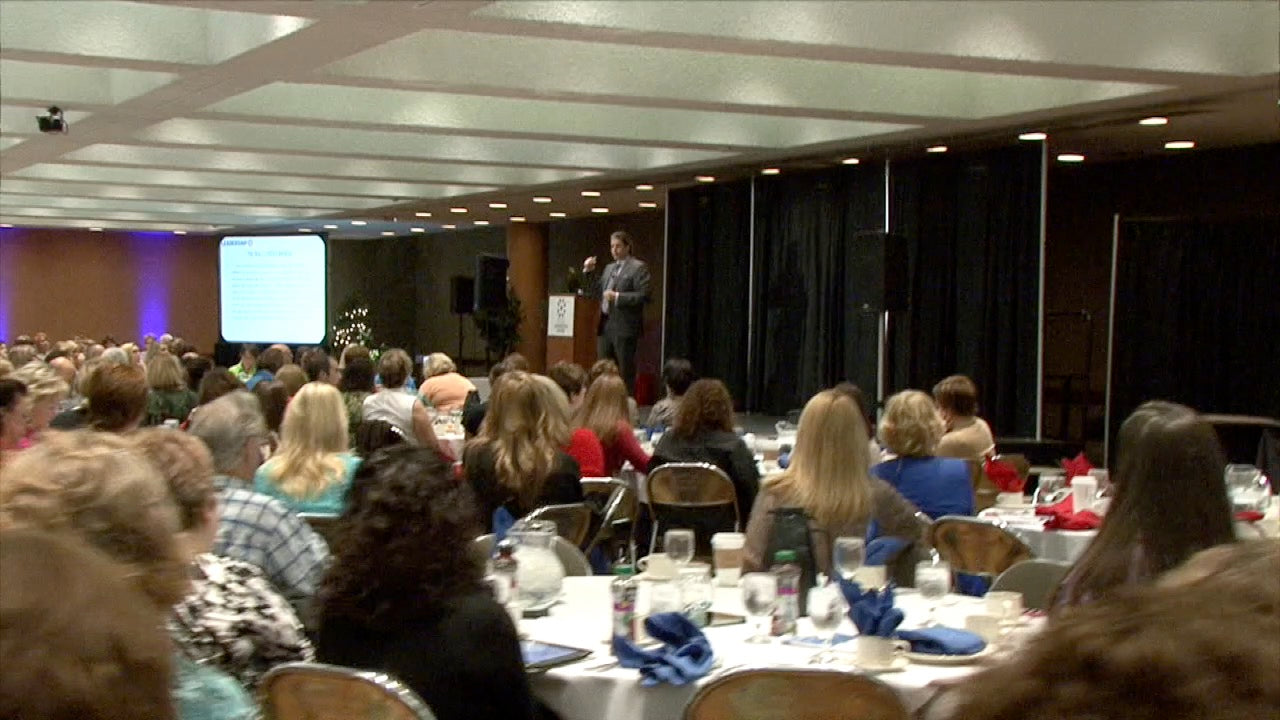
World-Class Research. Accessible Pricing.
Most event planners are surprised when they learn what Mark charges. His credentials — New York Times bestselling author, Forbes Senior Contributor, researcher behind studies of more than 100,000 leaders — typically signal a fee two to five times higher than what he actually charges.
Mark deliberately keeps his fees accessible because he believes more organizations should have access to research-driven leadership development — not just the ones with six-figure speaker budgets.
- Pre-event strategy call
- Customized data and examples
- Live Q&A session
- Audience handout or resource guide
- Everything in Keynote
- Customized assessment or pre-event survey tailored to your goals
- Data and insights specific to your audience
- Extended session time (up to 2 hours)
- Everything in Keynote + Assessment
- Academy access (20+ hours of leadership training)
- 18 leadership competency modules
- Ideal for multi-day events or ongoing development
Final pricing depends on event format, travel requirements, and customization scope. All tiers include Mark's personal involvement — no assistants, no substitutes.
Inquire About Booking Mark for Your Event
Tell us about your event and we'll be in touch to discuss how Mark can deliver maximum impact for your audience.
Thanks for getting in touch.
Your inquiry has been sent to Mark and Jill. We’ll be in touch soon.
Prefer email? jill@leadershipiq.com
A Keynote Speaker Driven by Research, Not Fads
Leadership trends come and go. Mark Murphy's work endures because it's built on research rather than fashion.
As a Senior Contributor to Forbes, Mark publishes regularly on leadership, management, and workplace dynamics, with individual articles routinely reaching tens of thousands of readers. His most popular pieces — on behavioral interview questions, leadership styles, communication styles, and constructive criticism — have collectively been read millions of times. This means your audience may already know Mark's work before he takes the stage, which builds anticipation and credibility before the event even begins.
His research isn't abstract. It addresses the issues that quietly erode performance, credibility, and trust inside organizations every day. And as a keynote speaker, Mark uses that research to surface the patterns and blind spots that leaders can't see on their own.
They're not listening to opinions. They're seeing evidence.
That's increasingly what event planners and event organizers want in 2026. The focus for keynote speakers has shifted from spectacle to substance. Organizations are looking for speakers who deliver practical, skills-based content — not just entertainment. Mark has been delivering exactly that for more than three decades, long before the industry caught up.
Mark's Most Requested Keynote Speaking Topics
Mark works closely with every client to customize the exact topic, emphasis, and approach. No two keynote speeches are identical. Below are some of his most frequently requested speaking topics, each of which can be adapted to any audience, industry, or event format.
Hundred Percenters: The Leadership Style That Inspires Greatness
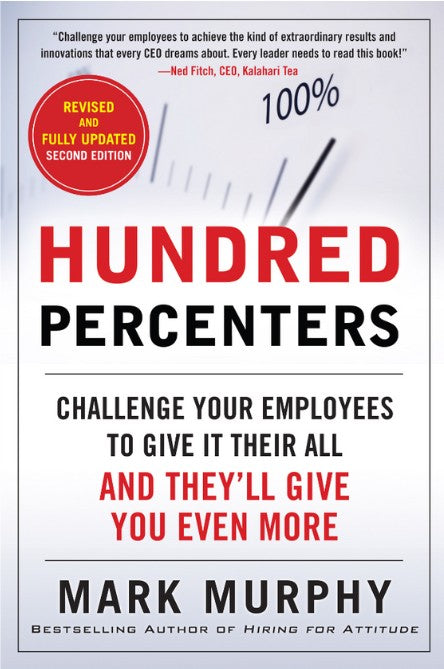
Drawing on research from more than 500,000 employees and leaders, Mark reveals the leadership style that consistently inspires employees to give 100% effort — not because they're told to, but because they genuinely want to. Based on his New York Times bestselling book Hundred Percenters, this leadership keynote covers how leaders can create the right balance of challenge and connection, set goals that actually motivate, and build accountability without micromanagement. Attendees walk away understanding exactly which leadership behaviors drive discretionary effort and which ones quietly crush it.
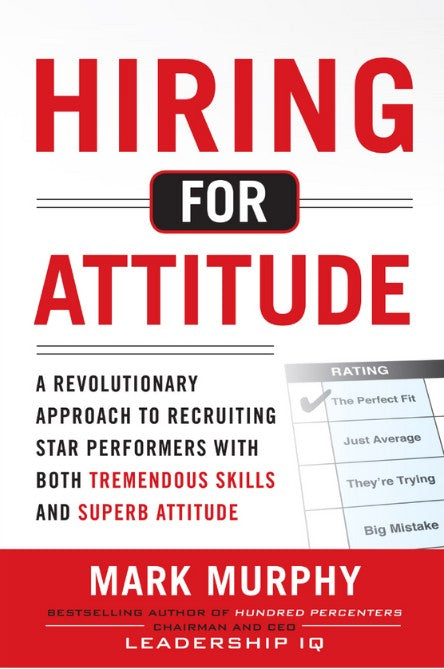
Hiring for Attitude
A landmark Leadership IQ study found that 46% of newly hired employees fail within 18 months — and contrary to popular belief, technical skills account for only 11% of those failures. The overwhelming driver is attitude, and most organizations don't know how to screen for it. Based on Mark's bestselling book Hiring for Attitude, this keynote speech reveals which interview questions actually surface attitude, the common question structures that inadvertently hide it, and how to define the specific attitudinal traits that predict success in your unique culture. This talk is especially valuable for organizations struggling with turnover, mis-hires, or stalled talent pipelines.
HARD Goals: The Science of Extraordinary Achievement
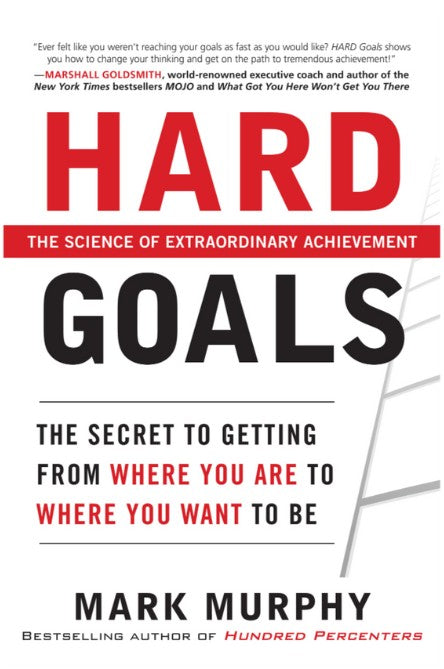
Mark's research on nearly 5,000 workers found that people who set HARD Goals — Heartfelt, Animated, Required, and Difficult — are up to 75% more fulfilled than people with easy goals, and they achieve dramatically bigger results. Based on his bestselling book HARD Goals, this keynote challenges the popular but flawed SMART goal framework and replaces it with a science-backed approach that drives both performance and personal satisfaction. Leaders leave with a new way of thinking about goals that energizes rather than constrains. It's a powerful choice for kickoffs, annual meetings, and any conference where the goal is to raise the bar on human performance.
Building Winning Teams: The Five Critical Roles Every Team Needs
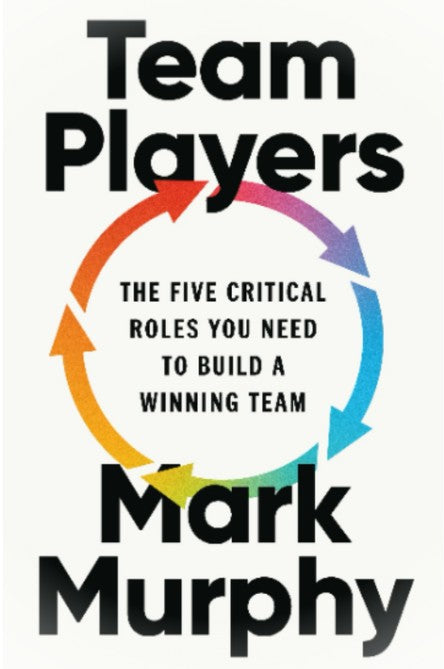
Based on Mark's latest book Team Players: The Five Critical Roles You Need to Build a Winning Team, this keynote speech reveals the five distinct roles — Director, Achiever, Stabilizer, Harmonizer, and Trailblazer — that every high-performing team needs. Through original research, Mark shows why most teams underperform (and it's rarely about talent), how role imbalances create predictable dysfunctions, and what leaders can do to build teams where every member's strengths are fully leveraged. This is a particularly popular choice for leadership retreats, team offsites, and conferences focused on collaboration and organizational excellence.
Giving Tough Feedback Without Making People Angry
A Leadership IQ study found that 81% of leaders avoid giving tough feedback because they're afraid the recipient will respond badly — with anger, denial, blame, or excuses. Most leaders avoid these conversations not because they don't care, but because they don't want to trigger defensiveness or conflict. In this keynote, Mark teaches the FIRE Model for Fact-Based Communication, showing leaders how to speak candidly while keeping defenses low. Attendees learn the specific trigger words that make people defensive, the alternative phrases that keep conversations productive, and a step-by-step script for turning tough conversations into coaching moments that produce genuine behavioral change.
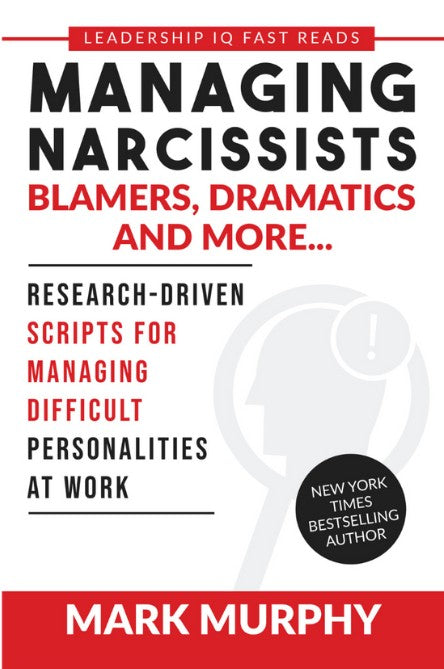
Managing Narcissists, Blamers, Drama Queens, and More
Not everyone in an organization is pleasant and easy-going, and pretending otherwise doesn't make the problem go away. Mark has identified the Big Five difficult personality types that drive the most conflict in organizations — Narcissists, Blamers, Drama Queens and Kings, Negative personalities, and Overly Sensitive personalities — and developed specific, tested scripts for managing each one. Rather than demonizing people, Mark focuses on behavior patterns and how leaders can respond strategically instead of emotionally. This is one of Mark's most requested and most entertaining keynote speeches. Audiences love it because they recognize these personalities immediately and leave with language they can use the very next day.
The Science of Managing Remote and Hybrid Employees
Many of the leadership techniques that work inside an office simply don't translate to remote and hybrid environments. In this keynote speech, Mark covers the four pillars of effective remote leadership: Connection, Alignment, Accountability, and Communication. He shares specific communication routines, the questions managers should always ask (and never ask) in virtual settings, and a delegation process that provides frequent progress checks without micromanaging. This is a must for any organization navigating the ongoing complexities of distributed work.
What Great Communicators Do Differently
Most communication breakdowns aren't caused by bad intentions — they're caused by style mismatches. Mark's research identifies four distinct communication styles and shows audiences how to diagnose which style their colleagues, bosses, and direct reports prefer, then adjust their own approach accordingly. This keynote is packed with immediately usable techniques for persuading without authority, delivering messages that actually land, and becoming the kind of communicator people trust, respect, and listen to.
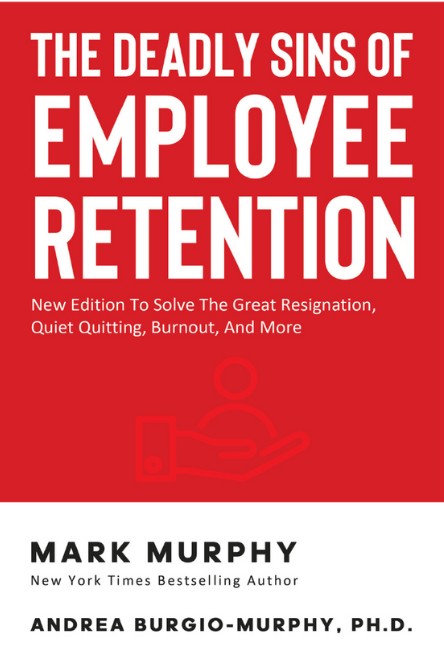
The Deadly Sins of Employee Retention
The employees organizations most want to keep are often the most likely to leave — and it usually has nothing to do with money. Mark reveals the counterintuitive research on what actually drives top performers to quit (and what keeps them), the early warning signs that a valued employee is getting ready to leave, and the specific conversations managers should be having to re-engage their best people before it's too late. This talk is particularly valuable for HR leaders and senior executives dealing with retention challenges.
Increasing Your Employees' Resilience and Optimism
When times are tough and employees feel anxious, productivity drops, creativity stalls, and culture erodes. Mark shows leaders how to manage their teams out of anxiety and back into confidence with a balance of optimism and realism. This keynote covers the specific language and behavioral habits that build resilience, the accountability conversations that move people past denial, blame, and excuses, and the practical techniques for maintaining morale and momentum during periods of uncertainty and change.
The AI-Powered Manager: Leading Teams in the Age of AI
AI isn't replacing managers — but it is exposing the ones who don't adapt. In this keynote, Mark cuts through the hype and fear surrounding artificial intelligence to focus on what AI actually changes about leadership, decision-making, and team performance. Drawing on research from MIT, Leadership IQ, and real-world examples from companies like Amazon and IBM, Mark shows how AI-savvy leaders are driving 30–80% productivity gains by using tools like ChatGPT, Claude, and Gemini to think faster, communicate more clearly, and make better decisions. Rather than turning leaders into technologists, this keynote shows where AI accelerates managerial work, where human judgment still matters most, and how to lead AI adoption without overwhelming or demoralizing teams.
"I used this immediately."
The #1 Feedback After Mark's Keynote Speeches
A Keynote Experience Tailored to Your Audience
Mark Murphy does not deliver canned speeches. Every keynote speech is customized based on the audience's level, the organization's current challenges, industry context, and the outcomes the event organizers want after the event.
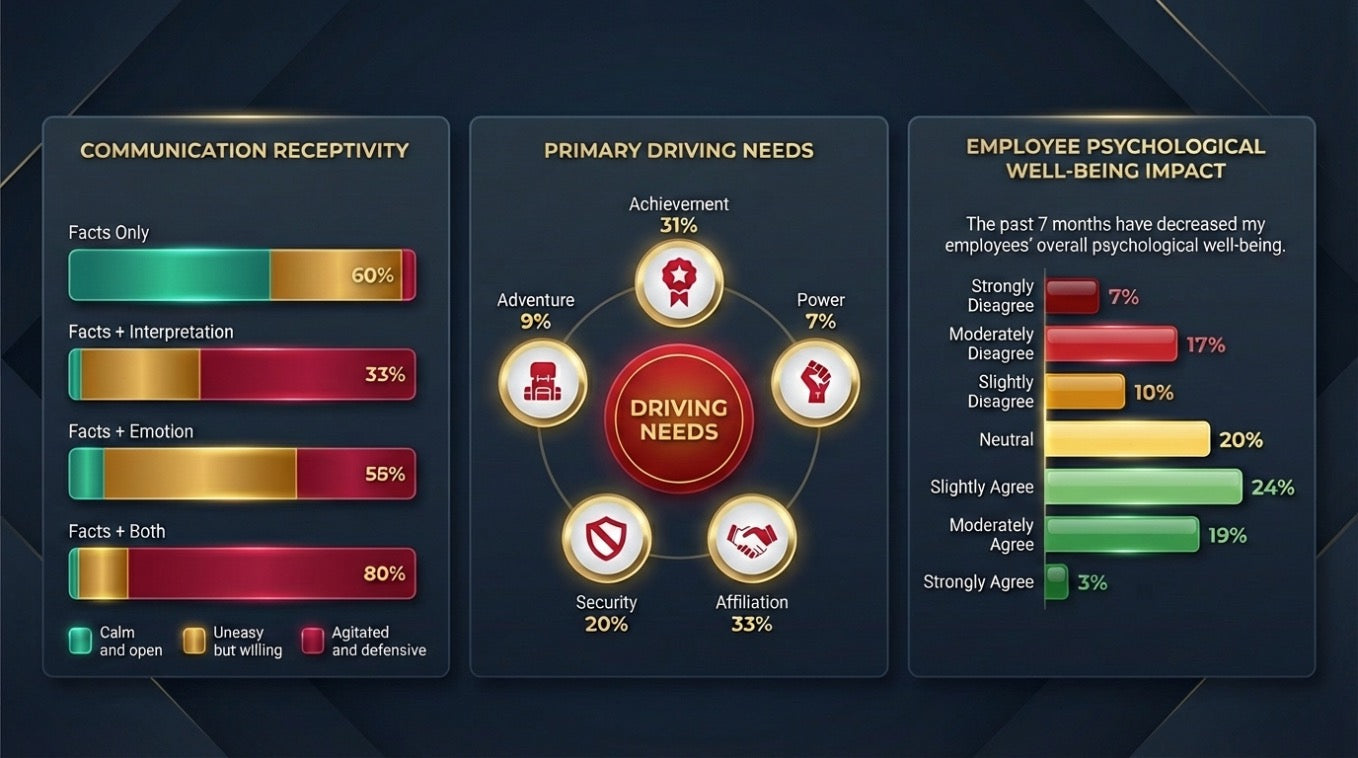
In many cases, Mark incorporates audience data — through pre-event surveys or live assessments — so attendees see their own patterns reflected in the content. One of his most popular assessments, What's Your Leadership Style?, has been taken by hundreds of thousands of participants. When your attendees see their own data woven into the presentation, the experience stops feeling like a speech and starts feeling like a mirror.
That relevance is a major reason event planners and conference organizers consistently rate his keynotes as high-impact. Participants aren't just listening to ideas. They're seeing themselves in the data.
From Keynote Speech to Lasting Impact
One of the biggest concerns event organizers have is what happens after the keynote speech. Inspiration fades. Notes get lost. Old habits return.
Mark Murphy addresses this directly.
Because of his work with Leadership IQ, organizations often extend the keynote into follow-up learning experiences through The Science of Leadership Academy — more than 20 hours of research-based video leadership training across 18 leadership competencies. Organizations like AT&T, Stanford University, Save the Children, and St. Jude's Children's Research Hospital use these programs to reinforce and sustain the skills Mark introduces in his live sessions.
This means your event doesn't end when the keynote does. It becomes the starting point for ongoing development.
While the keynote stands powerfully on its own, this ability to connect insight to long-term behavior change is another reason organizations view Mark as more than just a speaker. He's a partner in leadership improvement.
Who Should Hire Mark Murphy as a Keynote Speaker
Mark Murphy is an ideal keynote speaker for organizations that value evidence over hype, want leaders to think differently rather than just feel motivated, are serious about improving leadership behavior, and want a speaker who resonates with senior audiences.
His keynote speeches are especially effective for leadership conferences and summits, executive offsites, management development events, HR and talent conferences, annual kickoffs, board retreats, corporate events, and professional association events.
If your audience is tired of platitudes and hungry for substance, his message lands.
Inquire About AvailabilityAbout Mark Murphy
Mark Murphy is the founder of Leadership IQ, a New York Times bestselling author, a Senior Contributor to Forbes, and one of the most widely cited leadership researchers in the world. He has been consistently ranked as a Top 30 Leadership Guru, and his research studies have reshaped how organizations think about performance, engagement, and leadership effectiveness.
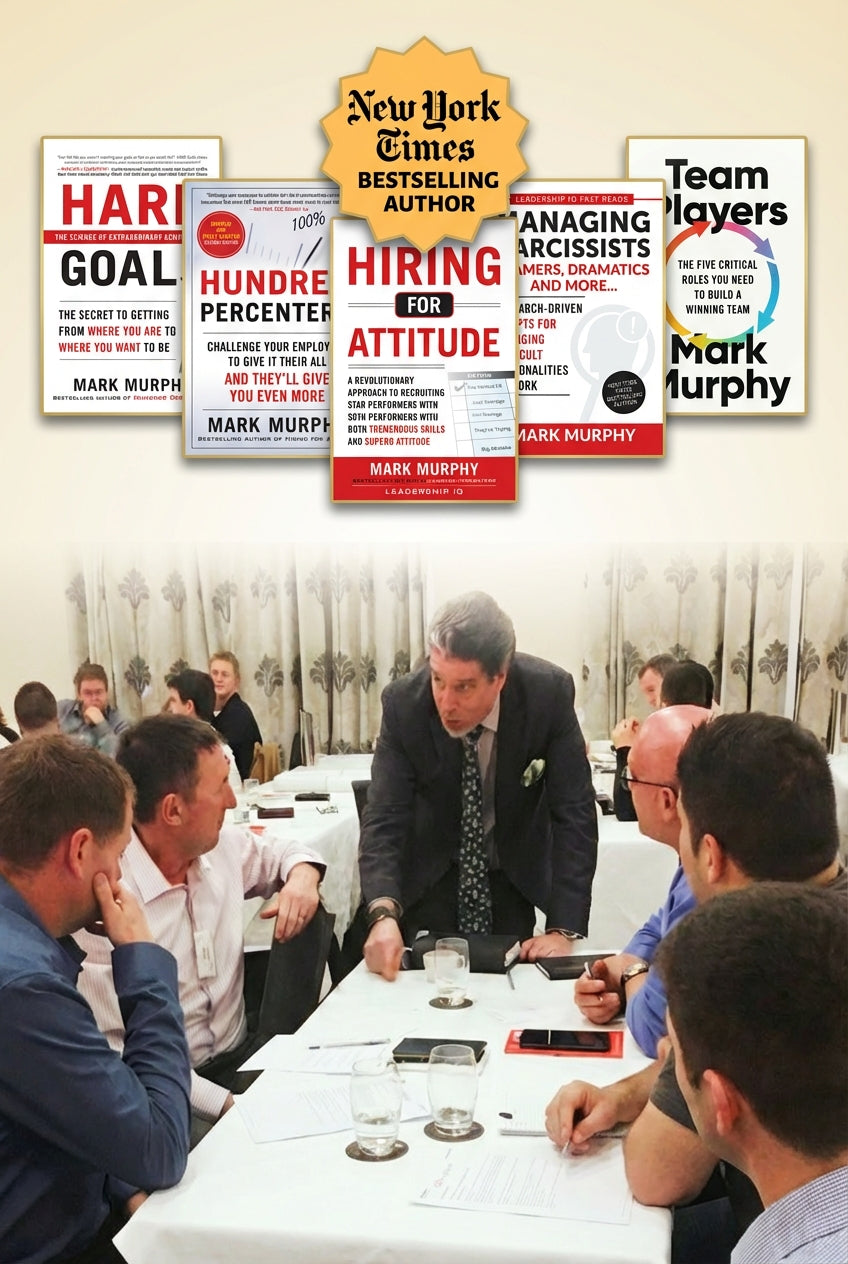
His books include the New York Times bestseller Hundred Percenters: Challenge Your People to Give It Their All and They'll Give You Even More; Hiring for Attitude (featured in Fast Company, The Wall Street Journal, and selected as a top business book by CNBC); HARD Goals: The Science of Getting From Where You Are to Where You Want to Be; Truth at Work: The Science of Delivering Tough Messages; The Deadly Sins of Employee Retention; and his latest, Team Players: The Five Critical Roles You Need to Build a Winning Team.
He has lectured at the United Nations, Harvard Business School, the Clinton Foundation, Microsoft, IBM, MasterCard, Merck, Charles Schwab, Aflac, and hundreds of other organizations spanning virtually every industry. His work has appeared in The Wall Street Journal, Harvard Business Review, The New York Times, Fortune, Forbes, Bloomberg BusinessWeek, Inc., CNBC, U.S. News & World Report, The Washington Post, the Los Angeles Times, and more. He has appeared on CNN, NPR, CBS News Sunday Morning, ABC's 20/20, and Fox Business News.
All keynote speaking topics are fully customized to your unique needs and can be delivered in-person or online.
Bring Mark Murphy to Your Next Event
The best keynote speakers aren't remembered for their slides or their stories. They're remembered for the way they change how people think.
Mark Murphy's keynote speeches do exactly that. They challenge assumptions leaders didn't realize they were making. They provide language for conversations people have been avoiding. And they replace vague intention with clear action.
That's why organizations hire him. Not to entertain. But to make leadership better.
Keynote Speaker Guide: How to Choose the Right Speaker for Your Event
Whether you're planning a major industry conference, a corporate event, or an executive leadership summit, the keynote speaker you choose will define the experience for your attendees. A great keynote speaker doesn't just fill a time slot — they set the tone, deliver valuable insights, and leave a lasting impression that shapes how participants think and act long after the event ends.
The sections below are designed to help event planners, event organizers, and event professionals make smarter decisions when selecting and booking a keynote speaker. From understanding the different types of speakers to evaluating what separates a good keynote speaker from a great one, this guide covers what you need to know to make your next event exceptional.
What Is a Keynote Speaker and Why Does It Matter?
A keynote speaker is the featured presenter at a conference, corporate event, or professional gathering — the person whose talk anchors the event and sets its intellectual and emotional direction. Unlike panel speakers who share the stage with others, or breakout session presenters who address niche topics, the keynote speaker delivers the signature address that the entire audience attends together.
The keynote speech — sometimes called the keynote address — is typically the opening keynote or closing keynote of a conference. An opening keynote sets the tone and energy for everything that follows. A closing keynote synthesizes themes, reinforces key messages, and sends attendees off with a lasting impression and renewed motivation.
Choosing the right keynote speaker can significantly enhance the value of an event. A strong keynote speaker energizes the audience, reinforces the conference theme, and gives attendees tangible takeaways they can apply in their work and life. A poor choice can undermine even the most carefully planned program.
That's why the decision matters more than many event professionals realize.
Types of Speakers for Conference Events
Not every speaker fills the same role, and understanding the differences helps event organizers match the right speaker to the right purpose.
Keynote Speakers
A keynote speaker is typically recognized for their expertise, thought leadership, and ability to engage and inspire a large audience. Keynote speakers are chosen for their ability to draw in attendees and deliver a presentation that combines valuable insights with practical application. The best keynote speakers share tactics and frameworks that the audience can put into practice — not just ideas that sound good in the moment.
Keynote speakers can cover a wide range of topics including leadership, sales growth, marketing, innovation, motivation, human performance, collaboration, technology, entrepreneurship, and more. What distinguishes a professional keynote speaker from a casual presenter is the depth of their expertise, the quality of their storytelling, and their ability to connect emotionally with the audience while delivering substance.
Motivational Speakers
Motivational speakers focus primarily on inspiring audiences through energy, passion, and personal stories of resilience, success, or transformation. A great motivational speaker can shift the mood of an entire room and leave attendees feeling energized and confident. Motivational speakers are often booked for events where morale, peak performance, or team connection is the primary goal.
The line between a motivational speaker and a keynote speaker often blurs. Many of the best keynote speakers are deeply motivational, but they pair that inspiration with research, frameworks, and actionable content. When evaluating motivational speakers, event planners should look for those who deliver substance alongside the energy — speakers who inspire not just feeling but doing. For a closer look at how motivational speaking drives engagement and action, visit Mark Murphy's dedicated motivational speaker page.
Guest Speakers
A guest speaker is any speaker from outside an organization or industry who has been invited to bring an outside perspective or specialized knowledge. Guest speakers provide a fresh viewpoint that internal presenters often cannot. They might be a bestselling author, a CEO from another industry, a researcher, or a thought leader whose expertise adds a new dimension to the event's agenda.
When considering a guest speaker, event organizers should request references from previous events and confirm that the speaker's topic is relevant to the audience. The best guest speakers take time to understand the organization and tailor their message rather than delivering a generic talk.
Leadership Speakers
A leadership speaker focuses specifically on how leaders can improve their effectiveness — whether that means better communication, stronger decision-making, more effective team management, or navigating organizational change. Leadership keynote speakers are especially popular for executive offsites, management development programs, and corporate events focused on building leadership capability.
The most effective leadership speakers combine real-world leadership experience with research or a proven methodology. They speak from a foundation of expertise rather than abstract theory, which gives their message credibility with senior audiences who are skeptical of surface-level advice.
Industry Experts and Thought Leaders
Organizations often seek keynote speakers who are recognized as top experts in a specific field. An industry expert brings deep, specialized knowledge and the credibility that comes from years of published research, real-world practice, or both. Thought leaders are valued because they don't just describe the current landscape — they help audiences understand where things are heading and what to do about it. They offer a global perspective grounded in evidence, not speculation.
7 Essential Traits of a Great Keynote Speaker
With thousands of professional speakers available for hire, how do event planners and event organizers identify the right keynote speaker for their event? The following traits consistently separate great keynote speakers from average ones.
Expertise and Credibility
The foundation of any great keynote is expertise. Audiences can tell within minutes whether a speaker has genuine depth of knowledge or is recycling surface-level ideas. The best keynote speakers are recognized experts whose authority comes from years of research, published work, real-world experience, or all three. Their credibility isn't claimed — it's demonstrated through the specificity and originality of their content.
When evaluating potential speakers, event organizers should look for published books, peer-reviewed research, recognized industry credentials, or a track record of working with reputable organizations. Expertise enhances credibility, and credibility is what earns an audience's trust from the first minute on stage.
Storytelling Ability
Data and frameworks matter, but storytelling is what makes a keynote speech memorable. Great keynote speakers use stories not as filler but as vehicles for insight — illustrating abstract concepts through vivid, relatable examples that make the message stick. Effective storytelling techniques include opening with a surprising finding, using case studies from real organizations, and weaving personal experience into broader lessons.
The role of storytelling in keynote speaking is to create an emotional connection between the speaker and the audience. When attendees feel something — surprise, recognition, curiosity — they're far more likely to remember and act on what they've heard.
Adaptability
No two audiences are the same, and the best keynote speakers know how to read a room and adjust. Adaptability means being flexible during presentations — shifting tone, depth, or emphasis based on audience energy, questions, or the dynamics of the event. A great keynote speaker prepares thoroughly but holds their material loosely enough to respond to what's actually happening in front of them.
Strategies for adapting to audience needs include pre-event research, real-time polling, and the willingness to go off-script when a more relevant example or deeper explanation would serve the audience better.
Passion
Passion is not volume or theatrics. It's the evident conviction that what you're saying matters and that it can make a real difference in the lives of the people listening. How passion translates to better delivery is straightforward: audiences mirror the energy of the speaker. A keynote speaker who is visibly engaged with their own material creates engagement in the room.
Identifying passionate keynote speakers often comes down to watching full, unedited video of previous talks. You can hear passion in pacing, in the specificity of examples, and in the way a speaker responds to audience questions — not just in how loudly they speak.
Strong Communication Skills
This may seem obvious, but strong communication is more than just speaking clearly. The best keynote speakers are masters of clarity and conciseness — they distill complex ideas into language that any audience can understand without oversimplifying. They know how to structure a talk so that each idea builds on the last, and they use techniques like repetition, contrast, and audience interaction to keep people engaged throughout.
Effective communication in keynote speaking also means knowing what to leave out. The most impactful presentations aren't the ones that cover the most ground — they're the ones that go deep enough on the right ideas to create genuine understanding and behavior change.
Charisma and Presence
A great keynote speaker brings their full presence to the stage. Charisma isn't about being the loudest or most polished person in the room — it's about commanding attention through authenticity, confidence, and connection. Audiences are drawn to speakers who are fully present, who make eye contact, and who speak with the kind of natural authority that comes from deep knowledge and genuine care for the audience.
The impact of charisma on audience engagement is significant. A speaker with real presence can hold a room's attention for an hour without a single slide. They create the kind of connection that makes every person in the audience feel like they're being spoken to directly.
Visionary Thinking
The best leadership keynote speakers don't just describe the world as it is — they help audiences see what's possible. Visionary thinking means connecting today's challenges to tomorrow's opportunities, offering a perspective that is both grounded and forward-looking. The role of vision in inspiring others is to give them something to aim for — a clearer picture of what better leadership, better teams, or better organizations could look like.
Audiences hire keynote speakers not just for what they know, but for how they help others imagine the future. A keynote speaker with visionary thinking leaves attendees not just informed but motivated to lead differently.
How Event Organizers Choose the Right Keynote Speaker
Selecting the right keynote speaker is one of the most consequential decisions an event organizer makes. The speaker sets the intellectual tone, influences attendee satisfaction, and often determines whether the event delivers on its promise. Here is a practical framework for making that decision well.
Clarify event objectives and desired takeaways. Before evaluating any potential speakers, define what success looks like. Do you want attendees to leave with specific skills? A shifted mindset? Renewed motivation? The clearer your objectives, the easier it is to find a speaker who delivers.
Define attendee demographics. A keynote that resonates with a room full of senior executives will differ significantly from one aimed at frontline managers or early-career professionals. Understanding who is in the audience — their level, their industry, their current challenges — is essential for choosing a speaker whose message will land.
Establish your budget. Keynote speaker fees vary widely based on the speaker's profile, topic, travel requirements, and customization involved. Having a clear budget range early prevents wasted time on both sides.
Evaluate fit through full-length videos. Promotional highlight reels can be misleading. Whenever possible, review full, unedited speaker videos to assess pacing, substance, audience engagement, and how the speaker handles the full arc of a presentation — not just the best 90 seconds.
Prioritize alignment over celebrity. The right speaker for your event is the one whose expertise, message, and style align with your conference theme and audience needs. A famous name that doesn't connect with your specific audience will underperform a lesser-known expert who speaks directly to their challenges. If your event's primary goal is energizing and inspiring your team, explore Mark Murphy's motivational speaker programs for a motivation-focused approach.
Seek speakers who customize. The best professional keynote speakers research the audience and organizational goals before they step on stage. Ask potential speakers how they customize — do they conduct pre-event calls? Do they review audience data? Do they adjust their content based on industry context? Speakers who tailor their message consistently deliver greater impact than those who deliver the same talk everywhere.
Booking a Keynote Speaker: The Process for Conference Events
Once you've identified the right keynote speaker, the booking process typically follows a predictable path.
Start by issuing a speaker request that outlines your event details — date, location, audience size, audience level, event theme, and desired outcomes. Serious keynote speakers and their teams will want this information to assess fit and begin thinking about customization.
Review proposals and, if evaluating multiple speakers, create a shortlist. Look beyond just the topic description — consider the speaker's track record, client testimonials, and any pre-event or post-event services they offer.
Negotiate fee and contract terms. Make sure the contract specifies what's included — the keynote speech itself, any customization, travel, materials, follow-up content — and what costs extra. Include cancellation and force-majeure clauses to protect both parties.
Confirm travel and logistics well in advance. Schedule a technical rehearsal or soundcheck, particularly for large venues or virtual events. Share attendee profiles and event objectives with the speaker so they can finalize their preparation.
A signed contract and deposit secure the engagement. From there, the best speakers will schedule a pre-event consultation call to ensure their keynote is fully aligned with your goals.
Preparing Your Audience and Your Speaker for Maximum Impact
The work of creating a successful keynote experience doesn't fall entirely on the speaker. Event organizers who prepare thoughtfully see dramatically better results.
Share attendee profiles, organizational context, and event objectives with the speaker well before the event. The more context a keynote speaker has, the more relevant and impactful their talk will be.
Circulate pre-event materials to attendees when possible. If the speaker offers a pre-event survey or assessment, take advantage of it — this not only gives the speaker valuable data but primes the audience to engage more deeply with the content.
Prepare a strong introduction. Provide the speaker's biography and credentials to whoever will be introducing them, and make sure the introduction frames the talk in a way that connects to the audience's interests.
Schedule appropriate time. A keynote speaker who is rushed or squeezed into a too-short time slot cannot deliver the same impact as one given the space to develop their ideas fully. Respect the speaker's recommended format and timing.
Measuring Impact After Conference Events
The value of a keynote speaker shouldn't be measured solely by applause or standing ovations. The real question is whether the keynote changed anything.
Distribute audience feedback surveys immediately after the event, while the experience is fresh. Ask not just whether attendees enjoyed the talk, but whether they learned something specific they plan to use.
Collect qualitative testimonials from attendees and stakeholders. These often reveal the most meaningful impacts — the specific insight that shifted someone's thinking or the framework they started applying the following week.
Where possible, measure behavioral or performance changes in the weeks and months following the event. The most effective keynote speakers — the ones who focus on practical tools and specific behavioral changes rather than generic motivation — produce results that are visible over time.
Compile lessons learned for future events. What worked? What would you do differently? Which elements of the keynote generated the most discussion and follow-through? This feedback loop makes each subsequent event stronger.
What Makes a Good Keynote Speaker vs. a Great Keynote Speaker
There are thousands of professional speakers available today. A good keynote speaker is competent, prepared, and engaging. A great keynote speaker does all of that and something more — they deliver a keynote speech that attendees remember, reference, and act on weeks and months after the event.
A good keynote speaker presents information clearly. A great keynote speaker changes how people think about that information.
A good keynote speaker tells interesting stories. A great keynote speaker uses storytelling as a vehicle for insight that shifts behavior.
A good keynote speaker is well-received in the room. A great keynote speaker is still being quoted in hallway conversations, team meetings, and strategy sessions long after the conference ends.
The difference often comes down to depth. Great keynote speakers have genuine expertise — lived experience combined with intellectual rigor. They've done the research, written the books, worked inside organizations, and developed frameworks that have been tested under real conditions. They bring the kind of authority that can only come from years of serious practice in their field.
Connection and authenticity matter too. The most successful keynote speakers are lifelong learners who continuously update their material to stay relevant. They don't rest on a single talk. They evolve, because the challenges their audiences face are always evolving.
The Keynote Speaking Industry in 2026
The speaking industry is both art and enterprise, and it continues to evolve. In 2026, event planners and event organizers are increasingly prioritizing substance over spectacle. The demand has shifted toward keynote speakers who can deliver practical, skills-based content — speakers who establish specific behavioral changes as outcomes for events rather than generic motivational goals.
Diverse voices are sought for fresh perspectives on leadership and communication. Organizations are looking beyond the traditional keynote speaker profile to find speakers who bring a global perspective and can speak to the challenges of leading across generations, geographies, cultures, and rapidly changing technology landscapes, including the growing impact of artificial intelligence on business and leadership.
Virtual and hybrid events have become a permanent part of the landscape, which means the ability to deliver a compelling keynote speech in both in-person and virtual formats is now a baseline expectation rather than a bonus.
Social media has also changed the equation. A keynote speech that resonates can reach far beyond the room through attendee posts, video clips, and shared takeaways. The best keynote speakers understand this amplification effect and craft their presentations with shareable moments and quotable insights built in.
For event professionals evaluating potential speakers, the key question has become: will this speaker deliver the kind of value that justifies the investment — not just on the day of the event, but in the weeks that follow?
Quick Checklist for Event Organizers Hiring a Keynote Speaker
For event planners and event professionals managing the details, here is a practical checklist to keep your keynote speaker booking on track:
Confirm that the speaker's topic aligns with your conference theme and strategic priorities.
Verify speaker availability for your event date.
Request and review full-length video of previous keynote speeches.
Confirm A/V, staging, and technical requirements.
Discuss customization — how will the speaker tailor the keynote to your audience?
Finalize contract terms, fee inclusions, and deposit.
Confirm travel and lodging logistics.
Share attendee profiles and event objectives with the speaker.
Schedule a tech rehearsal or soundcheck.
Prepare a strong speaker introduction.
Circulate any pre-event materials or assessments to attendees.
Plan post-event follow-up, including audience surveys and speaker debrief.
Prepare promotional copy and speaker biography for marketing materials.
Frequently Asked Questions About Hiring a Keynote Speaker
What is the difference between a keynote speaker and a motivational speaker?
A keynote speaker is the featured presenter who delivers the anchor presentation at a conference or event. A motivational speaker focuses primarily on inspiring audiences through energy and personal stories. Many great keynote speakers are also motivational, but the best ones pair inspiration with research, expertise, and practical takeaways that drive real behavior change.
What is the difference between a keynote speaker and a guest speaker?
A guest speaker is any speaker from outside an organization who has been invited to present. A keynote speaker is specifically the featured or anchor speaker for the event. All keynote speakers are guest speakers, but not all guest speakers deliver the keynote address.
What is the difference between an opening keynote and a closing keynote?
An opening keynote sets the tone and energy for the conference, establishing themes that subsequent sessions will explore. A closing keynote synthesizes the event's ideas, reinforces key takeaways, and sends attendees off with a lasting impression and renewed sense of purpose. Some events feature both.
How do I find the right keynote speaker for my event?
Start by clarifying your event objectives and audience demographics. Then evaluate potential speakers based on their expertise, speaking style, customization approach, and track record. Review full-length videos, request references from previous event organizers, and prioritize speakers whose message aligns with your specific goals rather than selecting based on name recognition alone. Some organizations work with a speakers bureau to identify candidates, while others reach out directly to speakers whose work they already know.
What should I expect from a professional keynote speaker?
A professional keynote speaker should offer a consultation to understand your event goals, customize their presentation to your audience, deliver a polished and engaging talk, and provide any agreed-upon follow-up materials. The best keynote speakers view themselves as partners in the success of your event, not just performers who show up, speak, and leave.
How can I ensure the keynote speaker's message has lasting impact?
Choose a speaker who focuses on practical tools and specific behavioral changes rather than generic inspiration. Take advantage of any pre-event surveys or assessments the speaker offers. Distribute post-event surveys to measure what attendees learned and plan to apply. And consider extending the keynote into follow-up training, coaching, or online learning to reinforce the message over time.
Ready to Make Your Next Event Unforgettable?
Mark Murphy's keynote speeches challenge assumptions, provide actionable tools, and change how leaders think. If you're looking for a keynote speaker who delivers real impact, let's start the conversation.
Contact Mark's Team