Group Coaching Programs: How to Use Them in Leadership Development
Only 23% of organizations report that their managers are effective at developing people, yet the same research shows that companies with strong coaching cultures see 21% higher business performance. That disconnect isn't just unfortunate — it's expensive. The gap between knowing coaching works and actually implementing it reveals why group coaching programs remain one of the most underutilized tools in leadership development.
Most organizations approach coaching as an individual, one-on-one activity reserved for senior executives or high-potential employees. But that limits both reach and impact. Group coaching programs can accelerate leadership development across entire teams while creating shared learning, peer learning, and collective growth that individual coaching simply can't match. Group coaching provides a unique blend of peer support and expert guidance that can accelerate both personal and professional growth — and a study published in the National Institutes of Health PMC database found that group coaching can be just as effective as individual coaching in achieving positive outcomes.
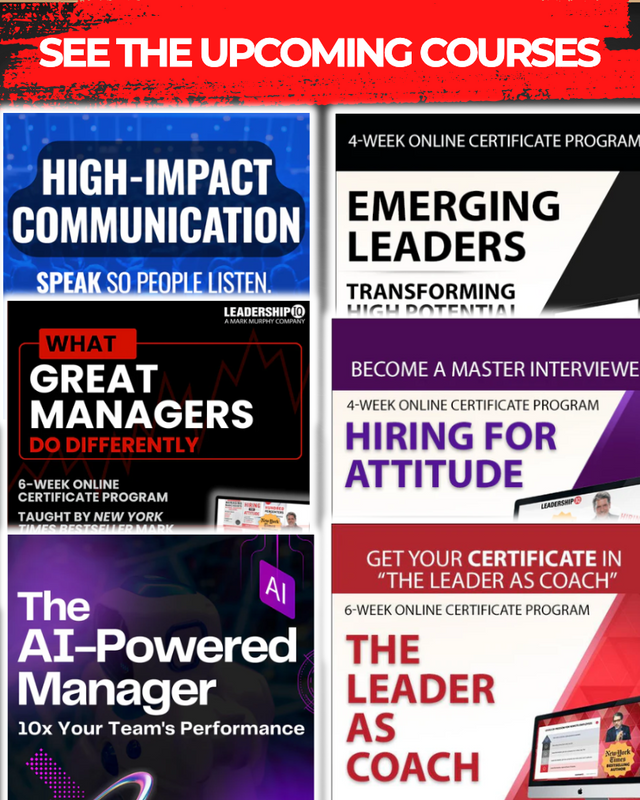
This guide covers everything you need to design, launch, and scale a group coaching program: models, session design, facilitation skills, certification pathways, and measurement. If you're ready to start, explore Leadership IQ's training programs. For personalized development, consider executive coaching. Or bring these frameworks to your organization through a leadership keynote.

Leadership IQ Group Coaching Model
The group coaching model in Leadership IQ terms is a structured, facilitated development experience where multiple individuals (typically 6–12) build coaching skills and leadership capabilities together through guided inquiry, shared experiences, and collective problem-solving. Group coaching typically involves a small group of individuals (usually 5–20) who participate in a series of sessions facilitated by a professional coach, allowing for shared learning and diverse perspectives.
When to choose group coaching over one-to-one: Group coaching is best for building skills alongside peers, networking, and when looking for a more cost-effective option. Choose group when you need to develop coaching skills across a leadership team simultaneously, when peer learning and shared accountability will accelerate results, or when budget requires reaching more leaders with fewer resources. Choose individual sessions for highly sensitive executive challenges, deeply personal development needs, or situations that require complete confidentiality.
Stakeholder roles: Internal coaches facilitate ongoing sessions and reinforce learning in daily work. External coaches bring objectivity, research-backed frameworks, and specialized coaching expertise. Human resources provides program infrastructure, measurement, and organizational alignment. Sponsors (typically senior leaders) model coaching behaviors and ensure the program connects to organizational performance goals.
Discover your own leadership style and how it shapes your coaching approach:
Why Group Coaching Is Underused — and Why That's a Mistake
The biggest barrier isn't cost or complexity — it's a fundamental misunderstanding of what coaching means. Too many leaders confuse coaching with managing, treating it as remedial rather than developmental. Organizations invest thousands in individual coaching for a handful of senior leaders while leaving middle managers to figure out coaching skills through trial and error.
Another barrier: the persistent belief that group settings dilute the personal attention that makes coaching valuable. That's backwards. Group coaching actually amplifies individual insights through shared experiences and peer learning. Active learning strategies in group settings lead to higher knowledge retention compared to traditional lecture-based training. The interactive nature of group sessions naturally improves communication skills, active listening, and conflict-resolution skills.
Organizations also struggle with the mindset shift required. The old command-and-control approach dies hard, and many coaches and managers haven't developed the emotional intelligence and questioning skills that coaching demands. They're more comfortable telling people what to do than asking questions that spark insights.

Benefits of Effective Group Coaching
The most significant advantage is scale. Instead of developing one leader at a time, organizations build coaching capabilities across entire teams simultaneously. This creates a multiplier effect where improved leadership skills spread throughout the organization more rapidly than individual coaching could.
Group coaching generates peer accountability that individual coaching lacks. When group members commit to practicing new behaviors in front of colleagues, they're more likely to follow through. Accountability partners within cohorts create mutual support structures that sustain change long after sessions end. Group coaching fosters a sense of belonging, and connections often last beyond the formal program, providing an ongoing social network for support and future collaborations.
Sessions are typically 40–60% less expensive than one-on-one coaching because the cost of the expert is shared among several participants. But the value goes beyond cost savings. Engaging with individuals from different backgrounds and departments exposes participants to fresh viewpoints and innovative problem-solving approaches. Feedback from peers and reflective exercises help participants identify personal blind spots and gain renewed understanding of their own strengths.
The shared experience provides emotional validation and community support, reducing the isolation often felt during challenging growth periods. Group coaching helps break down organizational silos and build lasting professional networks, fostering future partnerships beyond the sessions. And group coaching brings cultural change — when multiple leaders simultaneously develop coaching mindsets, the entire organization starts shifting toward more collaborative, development-focused approaches.
Designing Coaching Sessions for Effective Group Coaching
Clarify session goals and measurable outcomes before designing anything. When structuring a group coaching program, clarify the program's purpose and outcomes to ensure every session feels intentional and aligned with participants' goals. The ideal group size for coaching sessions is typically between 6–12 participants — large enough for diverse perspectives while ensuring every voice can be heard.
Set session cadence and total program length: research shows that spaced learning with practice intervals creates stronger behavioral change than compressed intensives. A six-week program with weekly sessions typically produces better results than a two-day workshop, even with identical total hours. Program duration should balance depth with participant commitment — most effective group coaching programs run 6–12 weeks.
Sample Session Agenda (60–90 Minutes)
Check-in (10 minutes): Each participant shares one win and one challenge from practicing last week's skill. This creates accountability and surfaces real challenges for the session. Learning spark (15 minutes): Introduce one new concept, framework, or technique — keep it focused and immediately actionable. Hot seat / guided discussion (25–35 minutes): One or two participants bring a current leadership challenge. The group coaches them through it using the session's framework, with the facilitator guiding the process. Action planning (10 minutes): Each participant commits to one specific practice for the coming week. 5-minute reflection ritual: "What's one thing I'll do differently before the next session?" Write it down and share with your accountability partner.
Structuring Delivery Models
There are several models for structuring group coaching programs, each with its own advantages. The cohort model: a defined group starts and finishes together. Enrollment workflow: recruit, screen, onboard, launch. This model creates the strongest bonds and team cohesion because participants share the entire journey. The program model: rolling enrollments allow participants to join at defined intervals. Newer members benefit from the experience of longer-tenured participants, and the group maintains consistent energy levels. The membership model: recurring engagement with ongoing access to coaching sessions, online resources, and community support. This model works well for sustaining momentum after an initial cohort program ends.
Facilitation and Coaching Skills for the Group Coach
The success of any group coaching program depends heavily on the facilitator's ability to create psychological safety while challenging participants to grow. Core coaching skills to cultivate: powerful questioning (asking instead of telling), active listening (hearing what's said and unsaid), presence management (reading group dynamics in real time), and feedback delivery (using the FIRE framework for specific, behavioral feedback).
Schedule practice labs for coaching skills development — facilitators need to practice before they lead. Assign peer observation and feedback cycles: have co-facilitators observe each other's sessions and provide structured feedback. Managing group dynamics can be challenging — coaches must navigate dominant personalities, quiet participants, and potential conflicts within the group.
Active Listening and Diverse Perspectives
Train coaches in active listening drills: practice paraphrasing before responding, noticing body language, and reflecting back emotional undertones. Create activities to surface diverse perspectives: use round-robin formats, written pre-session prompts, and structured disagreement exercises. Set rules to equalize participation: no one speaks twice before everyone speaks once, and quieter participants get explicit invitations to contribute. Seasoned coaches know that the best insights often come from the person who hasn't spoken yet.
Participant Selection, Onboarding, and Community Support
Criteria for recruiting ideal participants: readiness for development (not remediation), willingness to practice between sessions, openness to peer feedback, and commitment to the full program duration. Screening matters — one disengaged or resistant participant can undermine the entire group's experience.
Concise onboarding checklist: Welcome message explaining program goals and expectations. Pre-session assessment (leadership style quiz, self awareness baseline). Introduction to accountability partner and community support channels. Technology setup and access to online resources. Short pre-work for the first session.
Build a community support plan: define communication cadence between sessions (weekly check-ins via chat or email), create a shared space for resource sharing and discussion, and assign accountability partners within cohorts who check in with each other between formal sessions. To foster engagement, incorporate interactive elements such as collaborative exercises, accountability partners, and shared resources to enhance the learning experience.
Curriculum, Tools, and Tech Stack
Map a curriculum progression aligned to outcomes: Session 1 might cover leadership style awareness and self awareness. Session 2 builds feedback delivery using the FIRE framework. Session 3 focuses on coaching conversations. Each session builds on the previous one, guiding participants through clearly defined topics and exercises that drive personal and professional development over time.
Select video and collaboration tools: Zoom or Teams for live sessions, Slack or a forum for between-session discussion, and shared drives for worksheets, templates, and pre-work. Prepare worksheets and short pre-work for each session — 15–20 minutes maximum. Pre-work primes participants' thinking so session time is spent on practice and discussion, not content delivery. A well-structured group coaching program utilizes a framework that includes check-ins, learning sparks, guided discussions, action planning, and reflections.
Group Coaching Certification and Coaching Certification Pathways
Leadership IQ's group coaching certification offering trains facilitators in the research-backed frameworks, facilitation techniques, and measurement systems that make group coaching effective. Participants learn to design and deliver coaching sessions, manage group dynamics, and create coaching practice structures that produce measurable behavioral change.
Compare external coaching certification options: The International Coaching Federation (ICF) offers ACC, PCC, and MCC credentials with progressively more training hours and experience requirements. ICF accreditation ensures adherence to professional ethics and standards — and many organizations require ICF credentials as a baseline for internal and external coaches. Eligibility and credit requirements vary by certification level; Leadership IQ's programs can contribute toward ICF continuing education credits.
Coaching excellence in group settings requires both individual coaching skills and group facilitation capabilities. The best group coaching certification programs develop both — because facilitating a group of leaders through development challenges requires a different skill set than coaching one executive behind closed doors.
Common Challenges and How to Resolve Them
Likely common challenges: dominant participants who monopolize discussion, quiet participants who don't contribute, confidentiality concerns, varying energy levels across sessions, and cohorts that drift off-track from program goals.
Mitigation for dominant participant behavior: use structured turn-taking, ask dominant participants to listen and summarize before contributing their own view, and have a private conversation if the pattern persists. Protocols for confidentiality and consent: establish a "what's shared here stays here" agreement in the first session, and revisit it whenever the group discusses sensitive topics. Escalation paths for off-track cohorts: check in with participants individually to diagnose the issue, adjust the curriculum to address what's actually needed, and if necessary, restructure the group composition.
Measuring Impact and Continuous Improvement
Choose quantitative and qualitative metrics: participant skill development scores (pre/post assessment), employee engagement improvements within participants' teams, feedback conversation frequency, and behavioral change indicators. Run mid-program pulse surveys for course correction — don't wait until the end to discover that sessions aren't meeting needs.
Collect participant stories and measurable outcome data. The most compelling evidence combines numbers (engagement up 20%, turnover down 15%) with narratives (how a manager used the FIRE framework to turn around a struggling employee). Iterate curriculum based on feedback and results — the program that launches is never the finished product. Coaching practice improves through the same continuous improvement cycle you're teaching participants to use.
Scaling, Sustaining Momentum, and Cultural Change
Plan co-facilitator training to scale delivery — identify internal leaders who've completed the program and train them to facilitate future cohorts. Create alumni touchpoints to sustain momentum: quarterly reunions, advanced skill-building sessions, and a peer group network that maintains the collaborative environment beyond the formal program.
Align program goals to organizational cultural change. When multiple leaders simultaneously develop coaching mindsets, the organization shifts from command-and-control toward development-focused leadership. This cultural change often proves more valuable than the individual skill development. Secure leadership sponsorship and measurement buy-in — without visible executive support, coaching programs struggle to gain traction. Work life balance considerations should inform program scheduling so participants can engage fully without adding unsustainable demands.
How Leadership IQ Integrates Group Coaching
Leadership IQ's approach demonstrates how organizations can scale coaching capabilities effectively. The programs combine structured learning paths with flexible delivery options, allowing participants to progress at their own pace while benefiting from group interactions.
The curriculum focuses on immediately actionable skills: participants receive specific tools, scripts, and frameworks they can implement right away, then return to group sessions to discuss experiences and refine approaches. Group packages allow organizations to send multiple leaders through simultaneously, creating shared experiences and common language across teams. Progress tracking and talking points help organizations maximize investment by facilitating ongoing group discussions after the formal program ends.
The programs address the most critical coaching competencies that research shows drive employee engagement and performance: giving tough feedback, inspiring high performers, managing difficult conversations, and building coaching capability in others. The strong sense of collective wisdom that emerges from these shared experiences becomes a permanent organizational asset.
Launch Checklist and Next Steps
Finalize pricing and enrollment process. Schedule pilot cohort dates and promotion plan — start with one cohort of 8–12 participants to test and refine before scaling. Onboard facilitators and test session technology. Publish evaluation plan and testimonial collection steps.
Step by step guide to getting started: (1) Define your program goals and connect them to organizational performance metrics. (2) Select your first cohort based on readiness and potential impact. (3) Train facilitators in Leadership IQ's group coaching frameworks. (4) Run the pilot with baseline and post-intervention measurement. (5) Iterate based on data and feedback. (6) Scale to additional cohorts based on pilot results.
Build Coaching Capability Across Your Leadership Team
Ready to develop coaching capabilities across your leadership team? Leadership IQ's group coaching programs provide the structure, content, and community support your managers need to become more effective coaches — at a fraction of the cost of individual coaching.
Explore Leadership IQ's leadership training options and discover how group coaching can accelerate development across your entire organization.
You can also explore executive coaching for personalized senior leader development or bring these frameworks to your organization through a leadership keynote.