Executive Coaching Certification and Courses: What to Look For and How to Get Started
Seventy-three percent of coaching engagements fail to produce lasting behavioral change. That's not just disappointing — it's expensive. The reason isn't that coaching doesn't work, but that most coaches lack the structured, research-driven methods needed to create visible results in reasonable timeframes. Executive coaching has a 788% return on investment, with participating companies reporting increases in productivity, teamwork, and employee retention — but only when the coach has the right training and credentials.
If you're considering becoming a certified leadership coach, or you're an organization looking to train leaders in coaching skills, understanding what separates effective leadership coaching certification from feel-good programs could save you thousands of dollars and months of wasted effort. The coaching profession has exploded over the past decade, but quality hasn't kept pace with quantity. Formal coaching credentials are linked to higher earning potential and promotion opportunities, and certified coaches have a 35% higher client retention rate than their non-certified counterparts.
This guide covers everything you need to evaluate: program structures and accreditation, curriculum essentials, coaching practice requirements, career pathways, and costs. If you're ready to explore how leadership coaching fits into your broader development strategy, visit Leadership IQ's training programs. For those interested in working with an experienced coach directly, explore executive coaching engagements. Or bring coaching frameworks to your organization at scale through a leadership keynote.

Program Overview: Leadership Coaching Program and Coaching Certification
A leadership coaching program prepares you to coach leaders through complex challenges — from personal and career transitions to team effectiveness and organizational performance. The goal is to produce coaches who can drive meaningful development in others using research-backed frameworks, not just conversational instincts.
Leadership coaching certification programs typically vary in structure, duration, and delivery methods. Most programs offer flexible learning options including online, in-person, and hybrid formats to accommodate different schedules and learning preferences. Duration ranges from intensive formats spanning several concentrated days to programs extending over 6–12 months with periodic sessions. Programs are often structured to include a combination of instructional days, practical coaching practice, and supplemental activities such as readings and journaling.
The pathway to professional coaching certification generally follows this sequence: complete an accredited coaching education program, accumulate supervised coaching hours, pass a performance evaluation, and apply for credentials through the International Coaching Federation (ICF). Upon successful completion, graduates are positioned to pursue Associate Certified Coach (ACC) or Professional Certified Coach (PCC) designations.
Accreditation: International Coaching Federation Alignment
The International Coaching Federation ICF sets the global standard for coaching credentials. Many leadership coaching certification programs are accredited by the ICF, which establishes standards for coaching education and practice. When evaluating programs, the ICF accreditation level — Level 1 or Level 2 — tells you exactly what credentialing pathway the program supports.
ICF accreditation requires coaching programs to provide a minimum of 60 hours of training, along with 10 hours of mentor coaching and performance evaluation for those pursuing the Associate Certified Coach ACC credential. Programs aligned with PCC-level credentialing require significantly more hours. The Leadership Coaching for Organizational Performance (LCOP) program is one example of an ICF-accredited Level 2 Coach Education program that provides a structured path to credentialed coaching practice.
Why does accreditation matter? Certification enhances credibility and trust, verifying expertise to potential clients and employers. Organizations hiring coaches increasingly require ICF credentials as a baseline, and coached executives report greater confidence in their coach when formal credentials are in place. If your program isn't ICF-accredited, you'll face an uphill battle building credibility in the executive coaching field.

Curriculum and Coaching Practice
Quality executive and leadership coaching courses start with the science of behavior change, not just communication techniques. Research shows that most coaching relationships fail because coaches rely on intuition rather than proven frameworks for creating lasting change. The best programs teach specific methodologies for common executive challenges: managing up, building team engagement, giving tough feedback, and driving organizational change.
Core modules typically progress from foundations through assessment, advanced skills, and practicum. Experiential learning and live coaching practice — where you coach real clients under supervision — are the components that separate effective programs from theoretical ones. Required mentor coaching sessions (typically 10+ hours) pair you with an experienced certified coach who observes your sessions and provides structured feedback. Performance evaluation methods include recorded session reviews, competency assessments, and reflective portfolios.
Leadership coaching programs should teach advanced topics such as emotional intelligence, strategic thinking, authentic leadership, positive psychology, and building coaching cultures within organizations. The curriculum should address the business context of coaching — executive coaches need to understand how leadership behaviors impact team effectiveness, organizational culture, and business results.
Module Breakdown: Foundations, Assessment, Advanced, Practicum
Foundations module: Core coaching skills — powerful questioning, active listening, establishing trust, designing agreements, and understanding the coaching mindset versus consulting or mentoring. Learning objectives include mastering the ICF core competencies and developing your own coaching philosophy.
Assessment and Feedback module: Diagnostic tools for identifying leadership blind spots, communication style mismatches, and team dynamics issues. Tasks include administering and interpreting leadership assessments, conducting 360-degree feedback debriefs, and using frameworks like Leadership IQ's FIRE Model for structured feedback conversations.
Advanced coaching skills module: Working with resistance, navigating complex challenges like organizational politics and career transitions, coaching for emotional intelligence development, and facilitating team coaching. Activities include role-playing scenarios based on real executive coaching situations and practicing innovative techniques for behavioral change.
Practicum: Supervised coaching hours with real clients, documented using ICF-aligned competency rubrics. Structure includes a minimum number of coaching sessions (typically 8–12 clients), regular supervision meetings, and a final performance evaluation demonstrating readiness for independent practice.
Executive Coaching Track and Leadership Coach Specializations
The executive coaching track focuses specifically on coaching leaders in senior executive roles and C suite executives. Outcomes include the ability to coach for strategic decision-making, executive presence, stakeholder management, and leading high-performing teams through organizational transformation. This track typically requires deeper knowledge of organizational psychology and business strategy than general leadership coaching.
Available specializations for leadership coaches include: team coach (facilitating group dynamics and team effectiveness), career transition coach (helping leaders navigate personal and career transitions, including onboarding into new roles), emerging leaders coach (developing high-potential talent for future leadership roles), and global leadership coach (working with international sales teams and leaders across cultures, requiring cultural awareness and often bilingual capabilities). Some programs offer a bilingual professional certified coach pathway for coaches serving global organizations.
Practicum, Supervised Hours, and Coach Credentialing
The practicum is where theoretical knowledge becomes practical capability. Minimum supervised coaching hours vary by credential level: the ACC requires at least 100 hours of coaching experience (75 paid), while the PCC requires 500 hours (450 paid). These hours must be documented with client details, session dates, and coaching topics.
To document coaching practice hours, maintain a log that includes client name (or anonymized identifier), date, session duration, and coaching focus area. The ICF requires this documentation during the credentialing application process, and thorough records prevent delays.
The mentor coach pairing process matches you with an experienced certified coach — typically PCC or MCC level — who reviews your recorded sessions, provides competency-specific feedback, and helps you prepare for the credentialing evaluation. Small cohort sizes in quality programs offer more personalized feedback during this critical development phase.
Performance evaluation and passing criteria typically include: demonstration of ICF core competencies at the target credential level, a passing score on recorded session evaluations by mentor coaches, successful completion of any written assessments, and positive client feedback. Programs that take evaluation seriously produce coaches who are genuinely ready for independent practice — not just coaches who've completed the required hours.
Faculty, Mentors, and Global Community
Instructors in leadership coaching certification programs often hold Professional Certified Coach PCC credentials from the ICF, indicating a high level of expertise and commitment to coaching standards. Many instructors have extensive expertise, having coached executives at Fortune 500 companies and led major organizations, which enhances the practical learning experience for students.
Effective leadership coaching instructors typically possess advanced degrees in relevant fields, such as an MA in Global Leadership or an MA in Industrial and Organizational Psychology, which supports their coaching methodologies and practices. Look for faculty who bring real-world executive coaching experience — not just academic credentials — and who maintain active coaching practices alongside their teaching.
Access to a global community of fellow coaches is one of the most underrated benefits of quality programs. This network provides ongoing peer learning, referral opportunities, and support as you build your coaching career. The best programs maintain active alumni communities with regular continuing education events, case consultation groups, and practice partnerships.
Building Coaching Cultures and Organizational Impact
Beyond individual coaching relationships, the most impactful leadership coaching programs teach you how to build coaching cultures within organizations. Effective coaching helps shift organizational culture toward a collaborative environment where leaders at all levels use coaching skills — powerful questions, active listening, developmental feedback — as default management behaviors.
Leaders trained as coaches increase team productivity by clarifying and achieving goals. When coaching becomes embedded in how managers lead — not just something an external consultant does — the impact on employee retention, engagement, and organizational performance compounds across the entire leadership pipeline.
Organizations that invest in coaching cultures report measurable improvements: higher engagement scores, lower turnover, faster development of emerging leaders, and stronger productive relationships between managers and their teams. The research consistently shows that coaching isn't a luxury for senior executives — it's a scalable leadership development strategy that supports leaders at every level.
Career Outcomes: Coaching Career Pathways and Executive Coach Roles
Becoming a certified leadership coach can enhance your career opportunities by providing the necessary credentials and skills to advance in various industries, including corporate, nonprofit, and coaching and consulting organizations.
Typical career pathways after certification include: independent executive coaching practice (serving C suite executives and senior leaders), internal coach within a large organization (embedded in human resources or leadership development), coaching and consulting organization partner (joining or founding a firm that supports leaders and teams), leadership development facilitator (designing and delivering programs that incorporate coaching), and team coach (specializing in group dynamics and team effectiveness).
Sample job titles for certified leadership coaches include: Executive Coach, Leadership Development Consultant, Senior Coach and Life Facilitator, Director of Coaching Services, Chief People Officer with coaching specialization, and Adjunct Professor of coaching education.
Business development and marketing management support varies by program. Some programs include modules on building a coaching practice — pricing, positioning, client acquisition, and proposal writing. Others leave this to the graduate. If building an independent practice is your goal, factor in whether the program teaches you how to find clients, not just how to coach them. Continuing education and credential maintenance are ongoing requirements — the ICF requires 40 hours of continuing education every three years for credential renewal.
Masters in Executive Coaching: When to Consider It
A master's degree in executive coaching or organizational psychology isn't required for certification, but it can provide valuable depth for coaches who want to work with complex challenges or conduct coaching research. Programs like DeSales University's MBA program and similar offerings at institutions like West Chester University and Rutgers University include coaching specializations alongside international business, organizational psychology, and leadership coursework.
These programs typically include courses in adult learning theory, psychological assessment, group dynamics, and research methods. They're particularly valuable if you plan to work with executive teams, design coaching programs for global organizations, or contribute academically to the coaching profession as a researcher or adjunct professor.
The main advantage of a master's program is the research component and access to world class faculty. You'll learn to evaluate coaching methodologies critically and contribute to the evidence base that makes coaching more effective. However, master's programs aren't necessary for effective coaching practice. Many successful executive coaches build thriving practices with certification-level training plus extensive supervised coaching experience.
Assessment, Certification, and Becoming a Certified Leadership Coach
The performance evaluation and grading process in quality programs involves multiple assessment touchpoints: recorded coaching session evaluations scored against ICF competencies, mentor coach assessments, written reflections demonstrating growth in coaching mindset, and client feedback surveys.
Upon successful completion of all program requirements, you receive the program's educational certificate (e.g., "Certified Leadership Coach" or equivalent credential name). This certificate qualifies you to apply for ICF credentials. Steps to apply for ICF ACC or PCC credentials: verify your training hours meet ICF requirements, document your coaching experience hours, submit your application through the ICF portal, pass the Coach Knowledge Assessment (for ACC), and complete the credentialing review process.
Enrollment, Tuition, Scholarships, and Info Sessions
Coaching certification costs vary based on program quality and duration. Basic certification programs range from $3,000 to $8,000, while comprehensive programs with supervision and ongoing support can cost $10,000 to $15,000. The cheapest programs often skip crucial components like supervised practice, assessment training, or business context education.
Payment options typically include full payment, installment plans, and employer sponsorship. Many organizations will fund coaching certification as part of leadership development budgets — prepare a brief ROI case citing the 788% return on executive coaching investment. Some programs offer scholarships for nonprofit leaders, emerging leaders from underrepresented backgrounds, or candidates committed to pro bono coaching.
Factor in additional costs beyond tuition: ICF credentialing fees ($100–$500 depending on credential level), continuing education requirements, liability insurance, and ongoing professional development. Most coaches also invest in assessment tools and coaching software as they build their practice.
Consider the return on investment carefully. Certified executive coaches typically charge $200–500 per hour, with experienced coaches commanding higher rates. Full-time executive coaches often see positive ROI within 18–24 months of certification. Contact program admissions for upcoming info session dates and to request a downloadable syllabus and application checklist.
FAQs and Next Steps to Launch Your Coaching Career
How long does it take to become a certified leadership coach? Most quality programs take 6–12 months, including instructional time, supervised coaching practice, and credentialing preparation. Intensive formats can compress the instructional portion into weeks, but accumulating the required coaching experience hours takes time regardless of format.
Do I need a specific background to enter a coaching certification program? No single background is required, but experience in management, human resources, organizational psychology, or leadership development provides useful context. Former executives, HR professionals, consultants, and educators all bring valuable perspectives to the coaching profession.
What's the difference between ACC and PCC credentials? The Associate Certified Coach ACC requires 60+ hours of coaching education and 100+ hours of coaching experience. The Professional Certified Coach requires 125+ hours of education and 500+ hours of experience. PCC-level coaches have demonstrated competency at a higher standard and typically command higher fees.
Can I coach while I'm still in a certification program? Yes — in fact, accumulating coaching hours is a requirement. Most programs encourage students to begin coaching early, with mentor supervision providing the safety net as you develop your skills.
Is the investment worth it? For those committed to the coaching journey, the data says yes. The 788% ROI on executive coaching, combined with the 35% higher client retention rate for certified coaches, makes a strong financial case. Beyond income, certified coaches report higher professional satisfaction and greater coaching impact on their clients' lives and organizations.
How Leadership IQ Trains and Certifies Coaches
Leadership IQ's coaching certification programs ground every technique in research on what actually creates leadership behavior change. Rather than teaching generic coaching skills, these programs focus on the specific challenges that derail executives and the proven methods for addressing them.
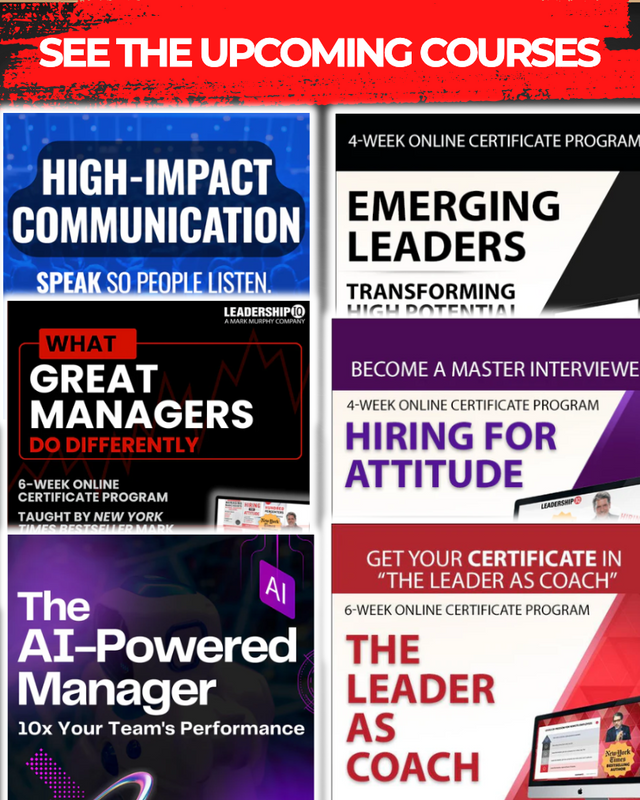
The flagship program, "The Leader As Coach," teaches managers and executives how to adopt coaching leadership styles within their organizations. This isn't about becoming an external coach — it's about developing the coaching mindset and skills that make leaders more effective in their current roles.
What makes Leadership IQ's approach different is the diagnostic-first methodology. Every coaching conversation starts with understanding what's really driving performance challenges, using frameworks like the Team Players research and FIRE Model for feedback. This creates focused, results-oriented coaching relationships that produce visible changes in 90 days, not open-ended conversations that drift from topic to topic.
Ready to develop research-driven coaching skills that actually change behavior? Explore Leadership IQ's coaching certification and training programs designed for leaders who want to create lasting coaching impact in their organizations.
You can also explore executive coaching engagements for personalized development or bring these frameworks to your organization through a leadership keynote.