How to Be a Good Manager: Practical Tips for New and Experienced Leaders
Only 29% of employees know whether their performance is where it should be. That's the reality facing every manager today. Leadership IQ research reveals a troubling pattern: most managers are failing at the fundamental aspects of their job, and their teams are paying the price. Research shows that the quality of a manager accounts for 70% of the variance in team engagement — which means how to be a good manager isn't just a career question, it's a business-critical one.
The good news? Effective management is built through a set of learnable behaviors that strengthen trust, clarity, and accountability — not personality or natural talent. A good manager is defined as a leader who focuses on enabling their team to reach their full potential rather than just being a "doer." Whether you're a new manager or looking to elevate your leadership, the path forward is clearer than you might think.
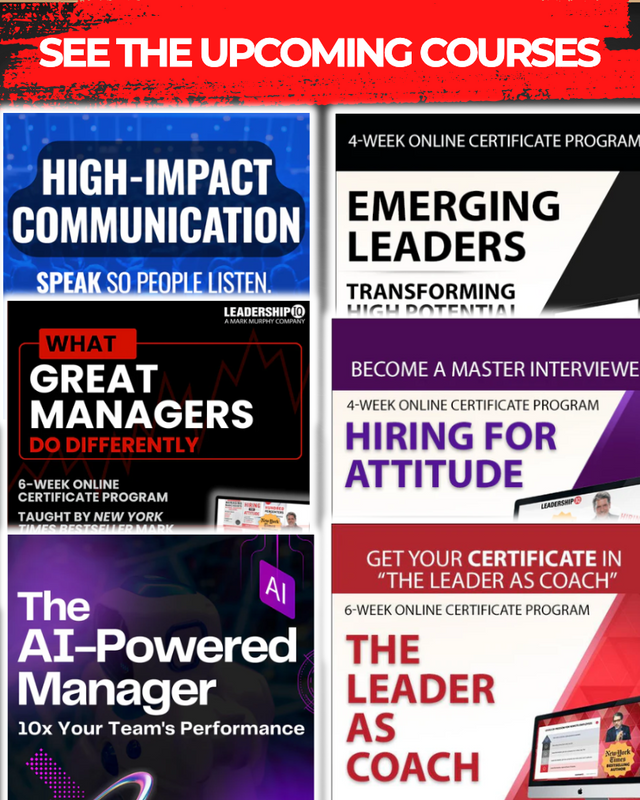
This guide covers the specific practices, skills, and habits that research shows make the big difference. If you're ready to start building these capabilities, explore Leadership IQ's training programs. For personalized development, consider executive coaching. Or bring these frameworks to your organization through a leadership keynote.
Start Here: Quick Actions to Be a Better Manager
Set one weekly priority for your team — the single most important outcome this week. Schedule 30-minute weekly one-on-ones with each direct report — studies show 70% of employees prefer more frequent contact with their managers. Ask one team member for candid feedback this week: "What's one thing I could do differently that would make the biggest difference for you?" These three actions take less than two hours but signal the kind of manager you intend to be.

Why Most New Managers Struggle
67% of managers regularly avoid giving critical feedback. The transition from individual contributor to manager is more jarring than most people expect — your success now depends entirely on the collective performance of your team, a fundamentally different skill set. New managers fall into the "energy misallocation trap": 61% spend more time fixing worst performers than developing best people. Only 19% are adept at reducing burnout, and just 26% have mastered developing middle performers.
Delegation is one of the most important — and most avoided — capabilities when learning how to be a good manager. Many new leaders struggle to let go of tasks they've always owned. When done well, delegation doesn't just get work done — it builds trust, develops future leaders, and frees managers to focus on high-impact strategic work.
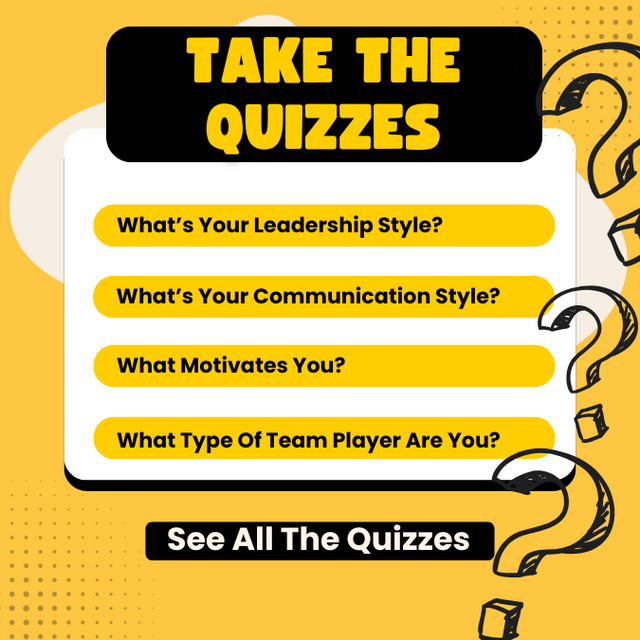
Discover your own leadership style — it shapes everything about how you'll manage:
10 Practices of the Best Managers
Know Your Team Like Good Managers
Map each person's strengths and growth goals. Document preferred communication styles for each direct report. Research shows employees who believe their managers focus on their strengths are more engaged than those who think their manager focuses on mistakes and weaknesses. Understanding team's strengths and individual motivators is the foundation of good management.
Set Clear Expectations and Goals
Write SMART goals (specific, measurable, attainable, relevant, and time bound) for every major project. Announce roles and deadlines before work begins. Setting clear expectations and goals helps teams stay focused and productive, reducing frustration caused by ambiguity over timelines and desired outcomes. Establishing clear communication norms can streamline conversations and reduce project mistakes — many errors stem from communication issues, not performance problems.
Practice Active Listening Every Day
Active listening is a crucial communication skill — it improves decision quality by incorporating perspectives that would otherwise go unheard. Managers who make active listening a genuine discipline experience higher rates of employee trust, engagement, job satisfaction, and productivity. Ask open-ended questions in meetings. Paraphrase key points before responding. Means listening to understand, not to reply.

Lead by Example to Be a Great Manager
Model punctuality and meeting preparation. Admit mistakes openly and state corrective steps — maintaining transparency in leadership prevents unnecessary stress. When managers share their own learning process, it creates permission for the entire team to grow.
Delegate to Build Better Managers
Assign ownership with a single accountable person. Match tasks to stretch skills, not just availability. Effective delegation means matching work to each person's strengths and growth goals, clarifying expected outcomes while leaving room for individual approaches, and maintaining accountability without micromanaging. Trusting your team to execute builds accountability and allows managers to focus on strategic work.
Give and Receive Feedback Effectively
Only 43% of leaders deliver constructive feedback that changes behavior. Schedule monthly performance conversations — don't wait for annual reviews. Praise progress within 24 hours of good work. Only three in ten U.S. employees strongly agree they received recognition in the past week — which means regular feedback and recognition is a big difference maker. Establishing regular feedback loops encourages two-way communication. Coaching conversations are less about providing answers and more about asking the right questions — building skills, confidence, and ownership.
Create Psychological Safety Like Great Managers
Psychological safety allows employees to take risks and share ideas without fear of ridicule. Invite ideas before sharing your view. Thank people for risky ideas, even if rejected. Only a third of U.S. employees strongly agree their opinion at work seems to count — managers who take employee opinions seriously foster respect and commitment. Creating an inclusive workplace where employees of all backgrounds feel respected promotes psychological safety, which is linked to high-performing teams.
Foster a Growth Mindset Across the Team
Run quick after-action reviews after projects. Ask "What did we learn?" in every retrospective. A growth mindset means treating every setback as data, not defeat. Reflecting on decisions and outcomes is vital for long-term learning — build dedicated reflection time into routines.
Prioritize Time and Energy as an Effective Manager
Block focus time on your calendar daily. Protect team heads-down hours from needless meetings. Assigning work strategically means your team's work hours go toward the highest-impact activities, not just the most urgent ones. Effective managers protect their team's free time from meeting overload.
Measure Impact to Be an Effective Leader
Track three team KPIs each month: engagement, delivery quality, and feedback conversation frequency. Review progress in every team meeting. When follow-through becomes the standard, managers create a team culture that directly supports performance.
What Makes a Good Manager: Habits Good Managers Practice
Keep a personal development plan with quarterly goals — choosing 1–2 skills to focus on quarterly enhances management abilities through targeted practice. Rotate small leadership responsibilities to build bench strength. Create a public scoreboard for shared team goals. Good management isn't a personality type — it's a set of consistent habits that compound over time. Managers who are empathetic, authentic, and adaptable have more engaged teams, experience less turnover, and boost employee well being — with over 75% of employees feeling more engaged with an empathetic boss.
Common Traps of Bad Managers
Avoid micromanaging by defining outcomes, not steps — trust your team to find the how. Don't postpone difficult conversations: 67% of managers do, and it makes problems worse. Stop hoarding information — share context proactively so team members can make better decisions independently. Bad managers erode trust through inconsistency, avoidance, and opacity. Good ones build it through clarity, follow-through, and transparency. These traps don't make someone a bad person — they're skill gaps that can be closed with the right training.
Transition from Individual Contributor to Effective Leader
Reorient Priorities to Multiply Output
Delegate deliverables you used to own. Coach others to complete tasks rather than doing them yourself. The shift from "I do great work" to "I enable great work" is the single biggest transition in management. Effective management requires shifting from individual contribution to enabling team success through clear communication, trust-building, and active support.
Build Strategic Alignment and Clear Expectations
Translate company goals into team objectives. Confirm mutual understanding using a single-line summary: "Here's what we're trying to accomplish, here's why it matters, and here's what success looks like." Maintaining transparency helps prevent unnecessary stress by sharing the reasoning behind decisions.
Practice Coaching Conversations Like a Great Leader
Ask development questions, then pause for answers — the pause is where growth happens. Set one learning action after each coaching session. Emotional intelligence is crucial — it enables leaders to read team dynamics and build trust through empathy. Top strategies: providing regular feedback, delegating effectively, fostering an open environment, and developing leadership skills through mentoring and self-reflection.
Communication and Trust: Keys to Great Managers
Standardize meeting agendas and outcomes — every team meeting should have a clear purpose, not just a recurring calendar invite. Create a routine for team recognition: name the person, describe the behavior, explain the impact. Hold pulse surveys twice yearly and act on results — the "act" part is what builds trust. Clear communication and regular check-ins keep team members motivated and aligned. Recognizing and rewarding excellence is crucial for motivation.
Develop Others to Become the Best Managers
Create individual development plans with milestones. Offer stretch assignments with clear support checkpoints. Run shadowing opportunities for aspiring leaders. Focus on developing middle performers — they represent 60–70% of your team and the biggest potential for improvement. Professional development isn't something that happens when you have free time — it's a key component of what effective managers do daily.
First-Time Manager Tips
Your leadership style matters: Pragmatists push hard but may burn out teams. Diplomats build rapport but sometimes struggle with accountability. Idealists inspire vision but may lack structure. Stewards provide direction but might stifle creativity. Understand your natural style and consciously develop complementary skills.
Three non-negotiables: establish clear expectations for every role. Create regular feedback loops — weekly one-on-ones are essential. Focus development energy on middle and high performers, not just struggling ones. Only 35% of HR executives trust managers to handle difficult employees without HR — learning to manage different personality types sets good managers apart.
How to Be a Better Manager
68% of high performers face burnout risk. Audit where your best people spend their time — are they compensating for gaps? Get comfortable with uncomfortable conversations: only 50% can tell an employee "not yet" on a promotion. Only 28% can manage hybrid teams effectively. Focus on developing middle performers — your biggest opportunity. Regular check-ins keep team members motivated and engaged.
How to Be a Great Manager
Great managers elevate performance. Only 40% set inspiring goals — connect individual work to meaningful outcomes. Only 40% overcome resistance to change — help people understand the "why." Only 44% keep employees optimistic during challenging moments. Great managers ask better decisions-driving questions instead of providing all the answers. A great leader and great manager builds capability that outlasts their direct involvement.
Leadership IQ Resources for New and Better Managers
Enroll in Leadership IQ's manager fundamentals course — research-backed frameworks for feedback, coaching, and performance differentiation. Use Leadership IQ templates for one-on-ones and goal setting. Pilot a Leadership IQ coaching cohort for your team. Key best practices: setting SMART goals, delegating effectively, fostering emotional intelligence, and holding regular meetings. To build a diverse team, fostering an inclusive, positive organizational culture boosts employee engagement and leads to better outcomes.
Next Steps to Be a Great Leader
Pick two practices from this playbook to implement now. Set a 90-day review to measure leadership progress. How to be a good manager isn't a mystery — it's a set of learnable, measurable behaviors practiced consistently. Small, regular improvements compound over time into significant results. The managers who invest in their own growth create teams that deliver big picture results while maintaining job satisfaction, employee retention, and a collaborative work environment where everyone can do their best work.
Accelerate Your Journey from Good to Great Manager
Leadership IQ's comprehensive training programs provide the specific skills, frameworks, and conversation scripts that transform management effectiveness. From positive feedback delivery to decision making skills to building psychological safety, every module is grounded in research on what actually changes manager behavior.
Explore Leadership IQ's training programs and give yourself the tools to become the manager your team deserves.
You can also explore executive coaching for personalized development or bring these frameworks to your organization through a leadership keynote.