Management Methods and Techniques: A Practical Guide for Business Leaders
Only 13% of employees and managers think their organization's performance management system is useful. Leadership IQ research surveying 48,012 employees, managers, and CEOs revealed that the vast majority of management approaches aren't working. Only 6% of CEOs think their performance management processes deliver results. Effective management techniques can significantly increase employee productivity and satisfaction — a good management strategy directly impacts group performance and enthusiasm.
The problem isn't that managers don't care about effectiveness. It's that most organizations use management methods designed for a different era. Management methods vary based on an organization's size, industry, and goals — and the solution is understanding which methods work, when they work, and how to adapt your approach based on what your people actually need.
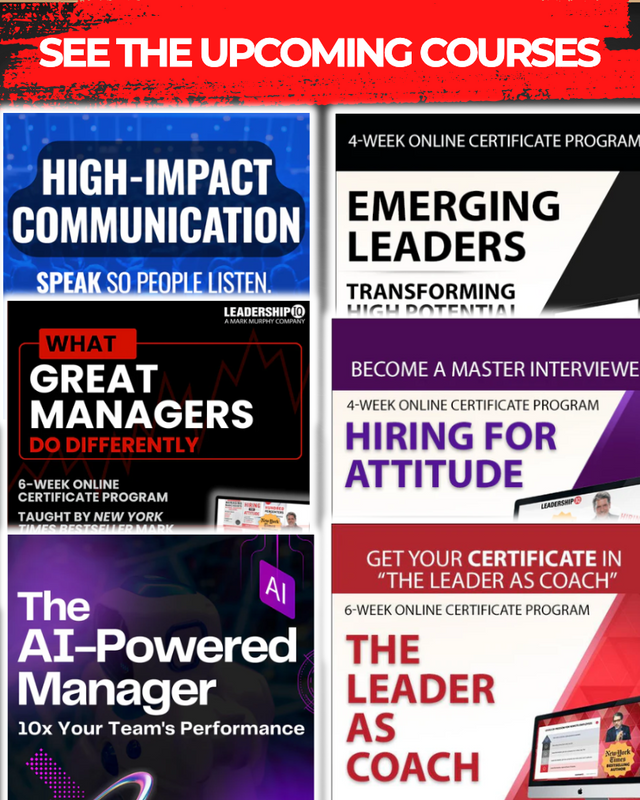
This guide covers the key management methods, management styles, and management techniques that drive results — grounded in Leadership IQ research. If you're ready to build these capabilities, explore Leadership IQ's training programs. For personalized development, consider executive coaching. Or bring these frameworks to your organization through a leadership keynote.

Overview of Management Methods
Management methods are the systematic approaches, processes, and techniques that leaders use to organize work, guide people, and achieve organizational objectives. Unlike leadership styles (which focus on how you influence and inspire), management methods are the concrete systems for coordinating effort and resources.
Key categories: performance management (defining and measuring success), feedback systems (delivering and receiving information about performance), development processes (growing people's capabilities), project management (coordinating initiatives), and operational management (optimizing day-to-day execution). Methods affect productivity and retention because they determine whether employees know what's expected, receive the support they need, and feel valued for their contributions.
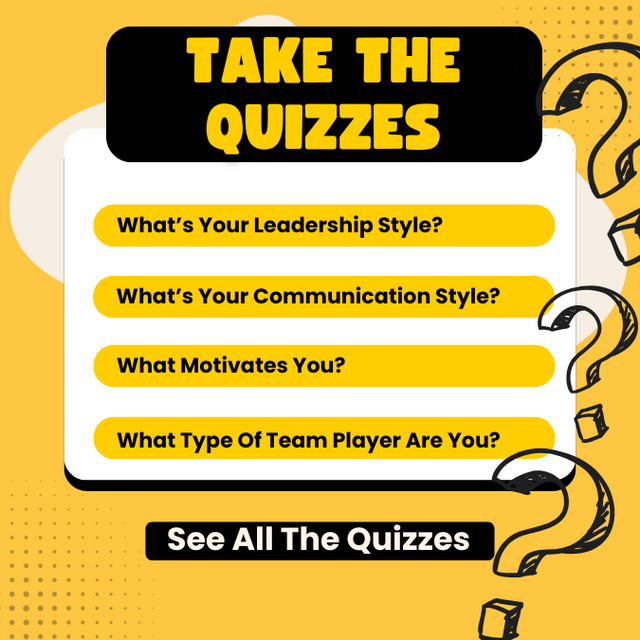
Leadership IQ research reveals that 61% of managers spend more time trying to fix worst performers than developing best people. This misallocation stems from using blanket approaches instead of differentiated methods. Discover your own management style — it shapes how you implement every method:
Management Styles: What They Are
Management styles represent your consistent patterns of behavior when directing, motivating, and coordinating team members. While management methods are your tools, your management style is how you wield them. The consulting firm Hay/McBer identified six different management styles, popularized in Daniel Goleman's book "Emotional Intelligence." There are 14 common management styles in the broader literature, including autocratic, democratic, transformational, and coaching — each with distinct strengths and ideal use cases.
Data from over one million people who've taken Leadership IQ's leadership style assessment reveals four primary styles: Diplomat managers prioritize interpersonal harmony and relationship building — more than half of current managers use this style. Pragmatist managers are driven, competitive, and results-focused with high standards. Steward managers value rules, processes, and systematic approaches. Idealist managers focus on innovation, learning, and growth. Each style works, but only when matched to the right people and situations.
Autocratic Management Style
Autocratic management involves a single leader making decisions without input from employees — the manager makes the final decision. Key features: centralized decision making, clear directives, rapid response capability. Situations that warrant autocratic decisions: crisis situations requiring immediate action, safety-critical environments, and contexts where employees lack the expertise to contribute to specific decisions. Mitigation for downsides: limit autocratic decision making to genuine emergencies, explain your reasoning after the fact, and create separate channels where team members can provide input on non-urgent decisions.

Other Management Styles
Democratic management invites team members to participate in decision making, fostering innovation and engagement. This approach works when you have experienced employees with relevant expertise and when decision quality matters more than speed.
Transformational management emphasizes inspiring change and professional growth. It's effective in motivating employees to reach their full potential and adapt to market shifts. Transactional management emphasizes structured roles and a system of rewards and punishments, creating predictability for short-term goals.
Laissez faire management provides a hands-off approach, giving employees autonomy to work independently and find solutions their own way. This style is suitable for experienced specialists who don't need close management. Safeguards: establish clear expectations and outcomes even when granting autonomy, schedule periodic check ins to ensure alignment, and maintain accountability for results.
Hands-On Versus Laissez-Faire Management
Checklist for when to be hands on: new employees learning the role, high-stakes projects with tight deadlines, performance issues requiring close monitoring, and situations where team members have explicitly asked for more guidance. Default to laissez faire when team members are experienced, motivated, and have demonstrated they can achieve results independently. Most effective leaders use a combination — adapting their approach based on the person and situation rather than defaulting to one style.
Effective Management Style: Choosing and Adapting
Decision framework: What does this team member need right now — direction, support, coaching, or autonomy? What does this situation demand — speed, quality, innovation, or consistency? What style am I most comfortable with, and is that the same style this situation requires? Steps to pilot a style change: try the new approach with one team member or one project for 30 days. Measure the results. Adjust based on feedback.
The effective management style isn't about finding the "best" approach. It's about matching your approach to context. Consider how different styles apply the same management method: a Pragmatist delivers feedback that's direct, challenging, and results-focused. A Diplomat provides the same feedback framed within support and development. The method is identical — clear, actionable feedback. The implementation differs based on what the person needs.
Management Skills and Techniques
Core management skills paired with practical management techniques:
Performance clarity — Use Word Pictures to define the precise difference between "Needs Work," "Good Work," and "Great Work" for every critical responsibility. Technique: write behavioral descriptions so specific that any observer could evaluate performance consistently.
Feedback delivery — Only 43% of leaders are adept at delivering constructive feedback that changes behavior. Technique: use the FIRE framework (Facts, Interpretation, Reaction, End result) to deliver honest feedback that's specific, behavioral, and forward-looking. Practice with constructive criticism scenarios before applying in high-stakes conversations.
Delegation — Ask "What's one activity I currently perform that, if delegated, would compel an employee to learn something new?" Technique: delegate based on development opportunity, not just workload distribution.
Motivation — According to Daniel Pink, the three proven motivational factors are mastery, autonomy, and purpose. Technique: connect tasks to purpose, give employees autonomy over how they achieve results, and create opportunities for skill growth. Motivated employees take more pride in their work and are more likely to stick around. Creating a friendly, supportive work environment where employees feel valued significantly enhances motivation and productivity.
Management Techniques to Improve Productivity
Effective management methods to boost team productivity: setting clear, measurable goals (KPIs), regular check ins, and fostering a collaborative culture. Delegation framework: define the outcome, choose the right person, provide resources and authority, set check-in points, debrief the result. Feedback cadence template: weekly one-on-ones (15–30 minutes), monthly development conversations, quarterly performance reviews. Time-blocking and priority-setting: identify the one management action with the highest team impact each day and do it first.
Using productivity tools and streamlining meetings can help maintain high performance. Being consistent in management practices — setting schedules, conducting reviews — promotes equality among team members and enhances group unity. Integrating technology into daily workflows enhances collaboration and accountability. Track productivity gains with simple metrics: delivery rate, quality indicators, and team engagement scores.
Project Management Methods
Several established project management methods provide structure for coordinating initiatives. The Waterfall Method processes project phases sequentially, emphasizing comprehensive planning and documentation — best for projects with well-defined requirements. Agile Management focuses on flexibility, collaboration, and iterative development, often used in software development. The Scrum Method organizes tasks into iterative cycles called sprints, facilitating rapid development and continuous feedback.
The Kanban Method uses visual boards to manage workflow, allowing flexible prioritization and continuous improvement. The Critical Path Method (CPM) identifies the longest sequence of tasks, allowing effective scheduling and resource management. Management by Objectives (MBO) focuses on setting specific, measurable goals agreed upon by both management and employees. Milestone Trend Analysis compares planned versus actual milestones to forecast project completion. Choose the method that matches your project's complexity, timeline, and team maturity.
Operational Management Methods
Lean Management aims to minimize waste and maximize efficiency, particularly effective in manufacturing. The 5 Whys is a root-cause analysis technique: ask "why" five times to drill past symptoms to the core of a problem. Gemba Walks involve managers visiting the workplace to observe processes and interact with employees — seeing work as it actually happens rather than relying on reports.
These operational methods complement people management approaches. The best managers combine process optimization with human development — improving systems while growing the people who run them.
Types of Management in Business
Operational management focuses on day-to-day execution, process optimization, and resource allocation — essential where standardized processes drive results. Strategic management involves long-term planning, market positioning, and organizational direction. Project management coordinates specific initiatives with defined timelines, budgets, and deliverables. People management focuses on individual and team development, motivation, and performance — where understanding management styles becomes crucial.
Aligning Methods with Company Goals
Map management methods to specific company goals: if the goal is growth, prioritize development methods that build team capability. If the goal is efficiency, prioritize operational methods that eliminate waste. If the goal is innovation, prioritize methods that create psychological safety and encourage experimentation. Create example OKRs tied to chosen methods. Supply stakeholder communication scripts for alignment: "Here's why we're changing our approach, what it means for your daily work, and how we'll measure success."
Management Methods and Leadership Style
The most successful organizations integrate both management methods and leadership style rather than treating them as competing approaches. Smart leaders don't rely on their job title for power — when you say "do it because I'm the boss," you're using formal power that gets old quickly. Instead, effective leaders develop informational power by providing compelling reasons why employees should take specific actions. This approach is gentler, more motivating, and respects people's intelligence. The most effective management techniques emerge when you combine systematic methods with adaptive leadership styles — maintaining consistent processes while adjusting communication, motivation, and development approaches based on individual needs.
Building an Effective Management Style Over Time
90-day improvement plan for new managers: Days 1–30 — assess your default style using the quiz above, identify one skill gap with the biggest team impact, and practice the corresponding technique daily. Days 31–60 — expand to a second skill area, seek feedback from team members weekly. Days 61–90 — evaluate results, adjust, and set the next development target. Schedule recurring skill assessments and reflections quarterly. Set peer-coaching routines for continuous development — managers coaching each other accelerates growth faster than solo efforts.
Playbook: Templates, Scripts, and Tools for Managers
Feedback script for common scenarios: "I noticed [specific behavior]. Here's the impact [on the team/project/customer]. Going forward, here's what I need [specific change]." Delegation template: outcome, person, resources, checkpoints, debrief. Meeting agenda template: review commitments (5 min), top priority (stated upfront), discussion (structured around decisions), action items (who/what/when), one-sentence takeaway. Assessment tools to measure style effectiveness: 360-degree feedback, team engagement pulse surveys, and performance differentiation audits.
Quick Reference by Management Style
Diplomat: Best for building trust and psychological safety. Risk: avoiding conflict and difficult feedback. Mitigation: schedule structured feedback conversations so they happen regardless of comfort level.
Pragmatist: Best for driving high performance and ambitious targets. Risk: burning out team members with relentless standards. Mitigation: monitor team energy and adjust pace when signs of exhaustion appear.
Steward: Best for environments requiring consistency, compliance, and careful coordination. Risk: resistance to change and innovation. Mitigation: designate specific time for experimentation outside of standard processes.
Idealist: Best for innovation, creative problem-solving, and employee development. Risk: losing focus on execution and practical constraints. Mitigation: pair visionary ideas with specific implementation timelines and accountability measures.
Autocratic: Best for crisis situations and safety-critical decisions. Risk: demoralizing team and stifling input. Mitigation: limit to genuine emergencies and explain reasoning afterward. Democratic: Best for engaged, experienced teams and complex decisions. Risk: slow decision making. Mitigation: set time limits on discussion before the final decision. Laissez-faire: Best for experienced specialists. Risk: lack of direction. Mitigation: clear outcome expectations and periodic check ins. Transformational: Best for organizational change and growth. Risk: over-reliance on inspiration without structure. Mitigation: pair vision with specific, measurable milestones.
Build Adaptive Management Methods That Drive Results
Developing management methods that actually work requires understanding your specific context, assessing your team's needs, and building systems that adapt as conditions change. Leadership IQ's management training programs provide the frameworks, tools, and practice opportunities that help leaders implement effective management methods in real-world environments.
Discover how to build management capabilities that drive consistent results.
You can also explore executive coaching for personalized management development or bring these frameworks to your organization through a leadership keynote.