New Manager Training: What It Should Include, How to Structure It, and Why Most Falls Short

The New Manager Problem Nobody Talks About
Only 35% of HR executives would trust their managers to handle difficult employees without HR supervision. That's the stark finding from Leadership IQ research involving 689 HR directors, and it reveals the uncomfortable truth about new manager training: most of it doesn't work. Only 43% of leaders are adept at delivering constructive feedback that changes behavior, and just 31% can effectively manage difficult personalities. These aren't advanced leadership skills — they're basic management skills that new managers should master within their first year.
The real problem isn't that organizations don't train new managers. It's that most programs focus on policy compliance and theoretical leadership concepts while ignoring the specific, high-stakes situations that cause new managers to fail. When 67% of managers regularly avoid giving critical feedback, the training isn't addressing real-world management challenges. Training new managers is crucial because they significantly impact team performance and employee retention — with poor management leading to low employee engagement and high turnover.
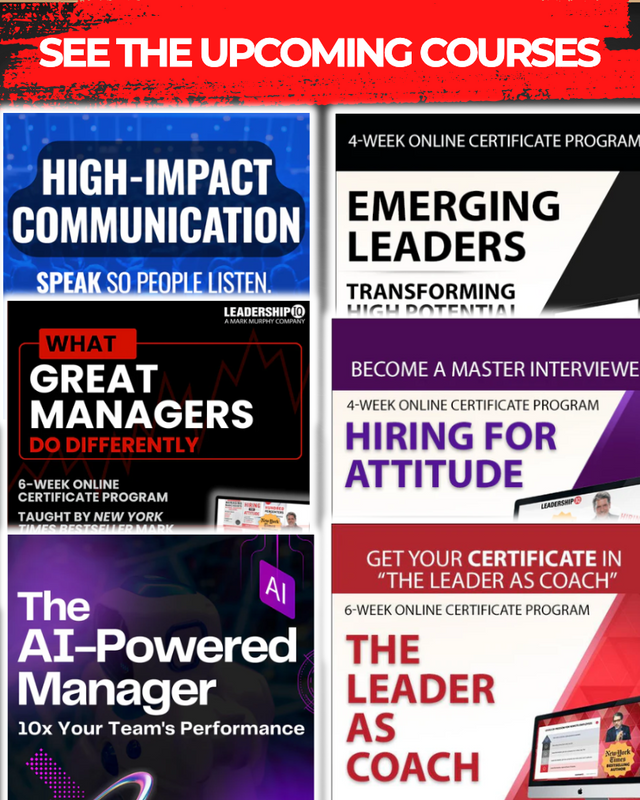
This guide covers what new manager training should actually include, the core modules that produce measurable results, delivery formats, and how to measure whether your investment is working. Organizations that invest in training for new managers see improved leadership effectiveness, with 86% of managers reporting enhanced skills after completing training programs. If you're ready to start, explore Leadership IQ's training programs. For personalized development, consider executive coaching. Or bring these frameworks to your organization through a leadership keynote.
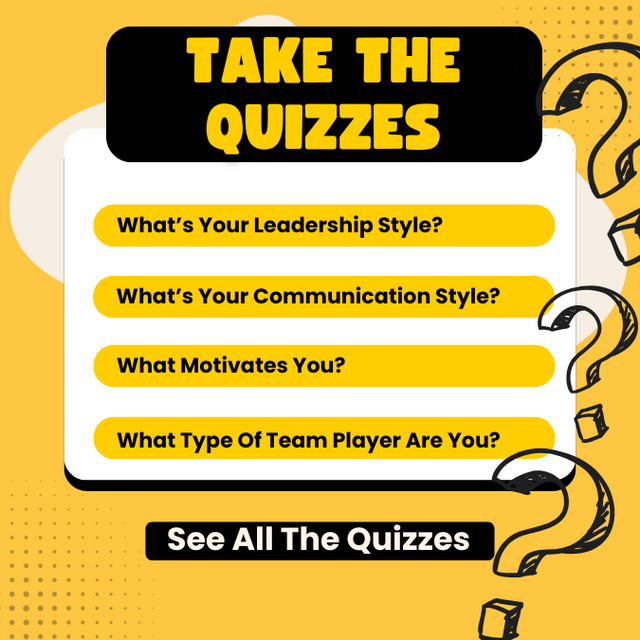
Start by understanding your own leadership style — it shapes everything about how you'll manage your team:
Target Audience: First Time Managers and New Role Transitions
Target newly promoted supervisors and first time managers — the people transitioning from individual contributor to management role for the first time. A common challenge for new managers is this transition: succeeding is now measured through others rather than individual effort. Include new hires with prior management experience who need to adapt to your organization's culture and systems. Also target emerging leaders identified for new role transitions within the next 6–12 months.
Learning Outcomes and Important Skills for the Management Role
Measurable outcomes: managers deliver structured feedback weekly using the FIRE framework, team engagement scores improve within the manager's span of control, performance issues get addressed within 48 hours (not avoided), and new managers pass a 90-day management capability assessment. Important skills every manager must learn: feedback delivery, difficult conversations, performance management, delegation, conflict resolution, emotional intelligence, time management, coaching, and effective communication. Prioritize performance management skills in the competency map — they're the foundation everything else rests on.
Effective new manager training should cover leadership skills development, decision-making frameworks, and communication skills to help managers guide their teams and foster a positive work environment. New manager training programs should include topics like time management, constructive feedback, goal setting, employee coaching, and conflict resolution.

Core Module: Leadership Skills and Decision-Making
Module on leadership styles and situational use: Leadership IQ identifies four styles — Diplomats, Pragmatists, Stewards, and Idealists — each with specific strengths and predictable blind spots. New managers need to understand their default style and learn when to flex. Include decision-making frameworks and practice scenarios: define the decision, list options, evaluate criteria, decide within a timeframe, communicate rationale. Short role-plays apply leadership choices to real-world situations where there's no single right answer.
Core Module: Emotional Intelligence for Managers
Emotional intelligence training is essential for new managers to build trust and navigate team dynamics. Training programs should focus on developing emotional intelligence and conflict resolution skills, as these are crucial for managing people and interpersonal relationships. Self awareness exercises: pause three times daily to name the emotion you're feeling before it affects your behavior. Empathy practice with scripted interactions: before every difficult conversation, write down what the other person is likely feeling and needing, then adjust your approach. Reflection prompts for daily emotional regulation: "How did my emotional state affect my interactions today? What would I do differently?"
Core Module: Performance Management Skills and Goal Setting
Teach SMART goal setting for individual contributors transitioning to measurable team objectives. Leadership IQ's survey of 5,995 employees found that only 20.4% believe their leader is doing an excellent job of distinguishing between high and low performers — a skill gap that destroys team motivation. Create templates for performance tracking conversations. Schedule calibration activities for fair performance ratings. Include manager actions for monitoring progress — managers who track performance weekly catch problems before they compound.
61% of managers spend more time trying to fix their worst performers than developing their best ones. First time managers need to learn different strategies for managing high, middle, and low performers. High performers need autonomy and growth challenges. Middle performers need coaching and development. Low performers need clear directions and consequences. New managers who treat everyone the same will struggle with all three groups.
Core Module: Constructive Feedback and Ongoing Coaching
Train managers to give specific constructive feedback using the FIRE framework: Facts (what you observed), Interpretation (what it means), Reaction (how it affected you/the team), and End result (what you need going forward). Include scripts for one-on-one coaching conversations — regular, structured one-on-one meetings are important for effective communication between managers and team members. Require practice sessions with peer feedback before managers apply these conversations with actual employees.
Coaching is an essential skill for new managers — they must transition from individual contributors who do the work to leaders who develop their team's capabilities. Training programs should include lessons on employee coaching, which directly impacts retaining quality employees and improving job satisfaction. Provide constructive feedback at least twice weekly — not just during formal reviews.
Core Module: Difficult Conversations and Conflict Resolution
Include scenarios for delivering tough performance messages: an employee who consistently misses deadlines, a team member whose attitude is toxic, a high performer who's becoming a bottleneck. Teach techniques for de-escalating emotional reactions — the pause-acknowledge-redirect approach. Require role-play of refusal and pushback situations where the employee doesn't accept the feedback.
Conflict resolution skills are vital for new managers, enabling them to mediate disputes and foster a collaborative team environment. First-line managers are more likely to be managing difficult personalities without organizational authority to easily remove problematic team members — they need sophisticated skills for managing drama, narcissism, and passive-aggressive behavior where traditional "have a conversation" advice doesn't work.
Core Module: Coaching to Develop Team Members
Map coaching cadence for direct reports: weekly one-on-ones focused on development (not just status updates), monthly career development conversations, and quarterly growth reviews. Include career development conversation templates: "Where do you want to be in 12 months? What skills would help you get there? What's one stretch assignment we could start this quarter?" Assign real coaching practice with follow-up reflections.
New managers should learn to prioritize tasks effectively to meet departmental objectives, especially when resources are limited. Effective delegation is a crucial skill — it allows managers to assign tasks based on team members' strengths and weaknesses to achieve departmental goals.
Core Module: Time Management, Prioritization, and Project Oversight
Teach prioritization techniques like the Eisenhower matrix: separate urgent-important from urgent-not-important from important-not-urgent. New managers often struggle with time management because they haven't yet learned to stop doing individual contributor work. Create a delegation checklist for workload distribution: identify what only you can do, what someone else could do 80% as well, and what would develop a team member's capabilities. Project management oversight at this level means ensuring commitments are tracked, deadlines are met, and blockers are removed.
Training Program Formats and Delivery Options
New manager training programs can be delivered in various formats, including short, bite-sized courses that teach practical skills. Managers learn most effectively through a series of short courses focused on essential skills needed to drive management succeed.
Microlearning lessons for busy managers: 30–45 minute modules that teach one skill with immediate application. Using spaced learning techniques enhances information retention. Online new manager training courses offer convenience and flexibility, allowing managers to upskill at their own pace — often more affordable than in-person training. In-person training provides networking opportunities and real-time feedback. Hybrid new manager training programs combine e-learning with in-person workshops for flexibility and focused attention on critical management skills.
Plan blended workshops combining online and in-person: foundational knowledge online, practice sessions face-to-face. Offer cohort-based virtual programs for peer learning — managers at the same stage learning together creates shared accountability. Participants can consume materials virtually at their own pace or engage in real-time interactions with instructors and peers.
How Managers Learn: Instructional Methods and Reinforcement
Use role-play to simulate real management scenarios — difficult conversations, feedback delivery, conflict resolution, and delegation. Include spaced microlearning for long-term retention: revisit core concepts at 7, 30, and 90 days. Create action plans for on-the-job application: every module ends with "What situation will I apply this to this week?" Training should focus on high-impact soft skills and hands-on learning to support new managers effectively.
Assessment, Feedback Loops, and Measuring Impact
Build pre-post assessments for leadership skills: baseline 360-degree feedback before the program, then reassess at 90 days. Define KPIs tied to team performance and retention: engagement scores, turnover rates, feedback conversation frequency, and performance differentiation quality. Schedule 30- and 90-day follow-up coaching sessions to ensure behavioral changes persist.
Effective management training leads to higher employee satisfaction and loyalty, reducing turnover costs. Effective management boosts employee engagement, leading to higher productivity and better results. The measurement system should connect training investment directly to business outcomes — because the goal isn't training completion, it's management effectiveness.
Manager Support, Stakeholder Buy-In, and Sustainment
Secure executive sponsorship for the manager training program — without visible senior leadership support, training struggles to gain traction. Train senior leaders to coach first time managers — experienced leaders reinforcing what new managers are learning accelerates adoption. Structured mentorship programs pair new managers with experienced leaders for guidance. Mentorship and peer support are crucial elements — create manager peer groups for ongoing support where new leaders can share challenges and solutions.
Effective training for new managers combines foundational skill-building with mentorship and ongoing support. Encourage managers to apply new skills immediately and report back on results — the practice-feedback-refinement cycle is where real behavior change happens.
Implementation Plan for Rolling Out the Program
Pilot the training with a single department: select 8–12 new managers who are motivated to develop and whose teams have visible improvement opportunities. Collect learner feedback after each module — what worked, what didn't, what would make the training more valuable. Iterate curriculum based on pilot results before scaling across the organization.
Collect baseline data (engagement scores, performance metrics, feedback frequency) and post-intervention data at 30, 60, and 90 days. The pilot provides the business case for broader investment. Scale successful practices across departments based on measurable outcomes, not just satisfaction scores.
HR Training for New Managers
Many organizations rely on HR to deliver new manager training, but this approach often falls short because it focuses on compliance rather than management effectiveness. HR can play a crucial role by ensuring the program addresses specific pain points: education on when to involve HR, which problems to handle independently, and which need immediate intervention.
The most effective approach involves HR partnering with external leadership development organizations that have specific expertise and credibility to deliver high-impact management training — while HR focuses on organizational integration and ongoing support. Bad bosses don't start out that way — they become that way when organizations fail to provide the right skills and practical tools at the right time.
New Manager Training Courses: What to Look For
Look for programs built on data and research rather than feel-good platitudes. Effective programs focus on behavioral change, not just knowledge transfer. The most successful first time manager courses include scenario-based learning that mirrors real workplace situations. Good managers don't emerge from single-day training events — look for programs that provide ongoing support, reinforcement, and follow-up coaching.
The grow model and other coaching frameworks should be part of the curriculum, but they work best when paired with specific scripts and practical tools that new managers can use immediately. Free course previews let you evaluate quality before committing budget — any training provider confident in their content should offer this.
How Leadership IQ Trains New Managers
Leadership IQ doesn't just teach management theory — we solve the specific problems that cause new managers to struggle. Our new manager training programs are built on research involving thousands of leaders and employees, focused on the high-stakes situations where most managers stumble. Research-backed frameworks, intensive practice scenarios, word-for-word scripts, and ongoing reinforcement — that's how managers learn to get results.
Discover Leadership IQ's research-based leadership training programs and give your new managers the skills they actually need to succeed.
You can also explore executive coaching for personalized leadership development or bring these frameworks to your organization through a leadership keynote.